Wearable Heated Sherpa Shawl Hoodie: Cozy, Hands-Free Heat
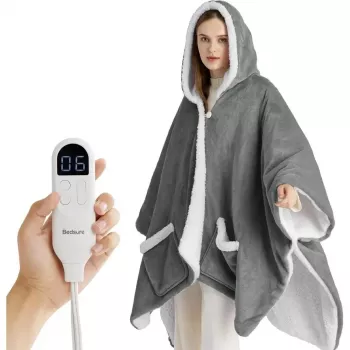
Wearable Heated Blanket Shawl: Sherpa Comfort in an Electric Hoodie
A wearable heated blanket shawl blends the sink-in softness of a sherpa throw with the practicality of an electric hoodie-style wrap. Instead of constantly tugging a blanket back onto your shoulders, you get steady, hands-free coverage that’s ideal for desk work, couch time, or quick chores around the house. Below is a straightforward guide to choosing a comfortable heated wrap, using it safely, and keeping that sherpa feel plush season after season.
What a Wearable Heated Blanket Shawl Is (and Why It’s Different)
Unlike a standard throw, a wearable heated shawl is designed to drape like a wrap while staying put like a hoodie or poncho. That means less slipping when you shift in your chair, stand up for a refill, or move from room to room.
Because it focuses heat on the upper body and core, it can feel warmer than trying to heat an entire room—especially in drafty spaces or during long, seated routines like studying, gaming, or reading. Many styles pair a sherpa-like lining with heating elements, which helps trap warmth so you often don’t need the highest heat setting to feel comfortable.
Key Comfort Features to Prioritize
- Fabric feel: Sherpa-lined options feel plush and insulating, while smoother fabrics can feel cooler at first touch.
- Fit and coverage: Look for broad shoulder coverage and enough length to cover your lap when seated.
- Wearability details: A hood, sleeves, snaps, or closure points can make the difference between “cozy” and “constantly readjusting.”
- Weight balance: The wrap should feel comforting, not like it’s pulling on your neck. Wide shoulder panels help distribute weight.
- Cord and control placement: Controls should be reachable while seated, and the cord should route in a way that reduces tugging when you shift position.
For home office setups, pairing a warm wrap with an ergonomic workstation can make long sessions more comfortable—especially when your shoulders tend to tense up in the cold.
Heating Performance: What “Good Warmth” Looks Like
The best heated wearables don’t just get hot—they feel evenly warm and consistent. Aim for these performance traits:
- Even heat distribution: Warmth should spread across the shoulders, back, and front panels without obvious hot spots.
- Multiple heat levels: More settings make it easier to match your comfort to changing indoor temperatures.
- Fast warm-up: A quicker warm-up matters most when you come in from the cold and want relief right away.
- Auto shutoff: A key safety feature—especially if you tend to doze off while lounging.
- Consistent temperature: Stable warmth generally feels better than noticeable cycling between too hot and too cool.
| Feature | Wearable Heated Shawl/Hoodie | Standard Blanket |
|---|---|---|
| Stays on while moving | Yes—wrap/hoodie design helps | Often slips off |
| Best for desk use | High—keeps shoulders/core warm | Moderate—needs readjusting |
| Targeted warmth | Upper body and lap while seated | Whole-body coverage |
| Convenience | Hands-free warmth | Hands may be busy holding it in place |
| Safety features | Often includes auto shutoff and controls | Depends on type (non-heated has none) |
Safety Essentials for Heated Wearables
Heated wraps are easy to use, but a few habits make them safer and more comfortable for long sessions:
- Avoid tight folding or bunching while heating: Keep the shawl spread naturally across your body to prevent concentrated heat.
- Don’t use damaged cords or controls: If you notice fraying, scorching, or intermittent power, discontinue use.
- Use the lowest comfortable setting: This is especially important for long desk sessions or extended lounging.
- Be cautious with reduced sensation or certain medical conditions: If you’re unsure, consult a clinician before using heated wearables for extended periods.
- Keep away from moisture: Never operate the wrap if it’s wet, and follow the care label closely.
- Unplug when not in use: This helps prevent accidental activation and reduces wear on connectors.
For additional consumer safety guidance, review resources from the U.S. Consumer Product Safety Commission (CPSC) and electrical safety education from UL Solutions.
Care and Cleaning (Keeping Sherpa Soft)
Best Use Scenarios (Desk, Couch, and Cold Mornings)
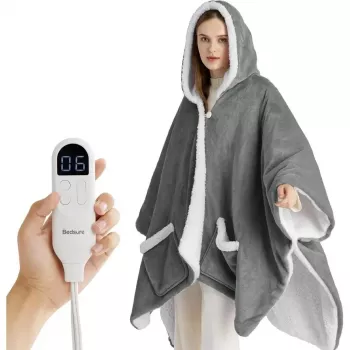
Product Spotlight: Wearable Heated Blanket Shawl – Electric Hoodies & Sherpa Heating Blankets
If you want hands-free warmth that feels like wrapping up in a sherpa throw, the Wearable Heated Blanket Shawl – Electric Hoodies & Sherpa Heating Blankets is a cozy option designed for desk work, lounging, and moving around the house while staying covered. It’s also a smart fit for energy-conscious routines, since warming the person directly can be more efficient than heating an entire room.
More In-Stock Picks to Complement Cozy Setups
- L-Shaped 50-Inch Gaming Desk with CPU Storage & Side Bag for Home Office — A spacious setup that can make long, chilly work sessions easier to manage (including better cord organization).
FAQ
Can a wearable heated blanket shawl be used while working at a desk?
Yes—its hands-free design helps keep your shoulders and core warm without needing to hold a blanket in place. For longer work sessions, use the lowest comfortable heat setting and route the cord so it won’t snag when you shift or stand.
Is it safe to fall asleep while using a heated shawl or electric hoodie blanket?
Follow the manufacturer’s guidance and rely on auto shutoff if your model includes it. Keep the wrap flat (not bunched), use low heat, and avoid sleeping with it if you have reduced sensation unless a clinician says it’s appropriate.
How should a sherpa heated blanket shawl be washed?
Remove the controller first, then follow the care label exactly. If machine washing is permitted, use a gentle cycle and avoid high-heat drying; store it loosely afterward to help protect internal wiring.









Leave a comment