9-Cup Food Processor (600W): Chop, Slice & Knead Fast

9-Cup Food Processor Power That Speeds Up Real-World Cooking
Some kitchen tools earn their counter space by saving time on the tasks that slow dinner down: chopping onions, shredding cheese, slicing vegetables evenly, or bringing dough together without a workout. This 9-cup food processor with a 600W motor is built for those everyday wins—quick prep, consistent results, and fewer utensils to wash—whether your goal is weeknight meals, meal prep, or baking projects that start with a smooth, well-mixed dough.
What this food processor handles best
When you want prep to feel predictable (and repeatable), a food processor shines. Our team recommends leaning on it for the tasks where consistency and speed matter most.
- Chopping and mincing: Great for salsas, mirepoix, onions, garlic, nuts, and herbs—especially when you want the same cut every time.
- Slicing and shredding: Helps you move faster on salads, slaws, stir-fries, potato bakes, and cheese prep without uneven hand cuts.
- Mixing and kneading dough: Useful when you want a quick, cohesive dough ball (pizza dough, basic bread dough, rolls, and pie-dough-style blending).
- Pureeing thicker mixtures: A practical bowl-and-blade workflow for hummus, pesto, dips, and sauces where a countertop blender can be more awkward.
In-stock pick from our store
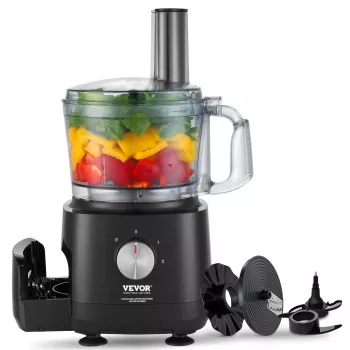
If you’re ready to streamline everyday prep, our team recommends the 9-Cup Food Processor with 600W Motor for Chopping, Slicing & Dough Kneading for an all-around balance of capacity and power.
Why 9 cups is a practical “daily-driver” size
A 9-cup bowl lands in the sweet spot: big enough to reduce reloading, but not so big that storage becomes a hassle. If you cook regularly, you’ll notice the difference in how smoothly prep flows—especially when you’re slicing or shredding in volume.
- Handles real meal prep: Large enough to prep vegetables for several meals, shred cheese in one go, or make party-sized dips.
- Fewer stops and starts: Reduces batch cooking time with fewer reloads for chopped veggies and fewer rounds of shredding or slicing.
- Comfortable middle ground: Great for households that cook often, but don’t want a giant bowl dominating cabinet space.
9-cup capacity: common kitchen tasks it fits well
| Task | Typical use | Why a 9-cup bowl helps |
|---|---|---|
| Chopped veggies | Onion + peppers + celery for soups/stews | Processes multiple aromatics together to keep prep moving |
| Shredded cheese | Cheddar/mozzarella for tacos, casseroles, pizza | Shreds quickly and holds a useful amount before emptying |
| Sliced produce | Cucumbers, zucchini, potatoes | More room for slices to collect without crowding |
| Dips & spreads | Hummus, pesto, bean dip | Space for ingredients to circulate and blend evenly |
| Dough mixing | Pizza or basic bread dough | Room for flour to incorporate with less mess at the rim |
Making the most of a 600W motor (without overworking it)
A 600W motor is a strong helper for daily prep, but technique still matters. The best results usually come from working with the machine, not forcing it to muscle through oversized chunks or overfilled batches.
- Pulse for control: Use short pulses for chopping to manage texture—especially for onions, nuts, and herbs—then switch to longer runs when you want a smoother blend.
- Pre-cut firm ingredients: Break down carrots, hard cheeses, and chilled butter into manageable pieces to promote even processing and reduce strain.
- Dough tip: Add liquids gradually and stop as soon as the dough comes together; over-processing can warm dough and affect texture.
- Keep batches reasonable: A steady feed rate and not overloading the bowl improves consistency and helps the motor run efficiently.
Dough kneading workflow that stays simple
If your goal is a fast dough that’s cohesive and easy to shape, a food processor can be a big time-saver. Our team’s preferred approach keeps the steps minimal while protecting texture.
- Start with dry ingredients: Put flour, salt, yeast (or baking powder where relevant), and seasonings in first and mix briefly to distribute.
- Stream liquids through the feed tube: Add water/oil in a steady stream until the mixture forms a dough mass.
- Stop early rather than late: Run only long enough to smooth the dough; if it’s shaggy, add a tiny splash of liquid, and if it smears, add a small pinch of flour.
- Rest improves results: Even a short rest helps hydration and makes shaping easier, especially for pizza dough.
Everyday care and food-safety habits that extend performance
Food processors last longer (and smell fresher) when you keep cleanup simple and consistent. A few habits also reduce cross-contamination risks in a busy kitchen.
For deeper guidance on kitchen hygiene and safe handling, you can review USDA FSIS Kitchen Companion: Clean and the FDA’s food safety resources for consumers.
A quick fit check: who this is for
More in-stock items you can add to your cart
- L-Shaped 50-Inch Gaming Desk with CPU Storage & Side Bag for Home Office
- Wooden Montessori Balance Toys set
FAQ
Can it knead dough for pizza or basic bread?
Yes—use the bowl-and-blade workflow: add dry ingredients first, stream liquids through the feed tube, and stop once a cohesive dough ball forms. Avoid over-processing, and give the dough a short rest so it hydrates and becomes easier to shape.
How do you get even slices and shreds?
Pre-cut produce or cheese to fit the feed tube, then apply steady, even pressure instead of forcing it. Don’t overload the bowl; if it starts to crowd, empty it so pieces don’t bounce around and break into uneven bits.
What’s the easiest way to clean after sticky dough or cheese?
Clean promptly before residue hardens, and soak parts briefly in warm, soapy water if needed to loosen buildup. Dry everything fully before storing, and follow normal kitchen sanitation practices after handling any raw ingredients.










Leave a comment