Massage Gun Recovery for Athletes: Pre & Post Workout
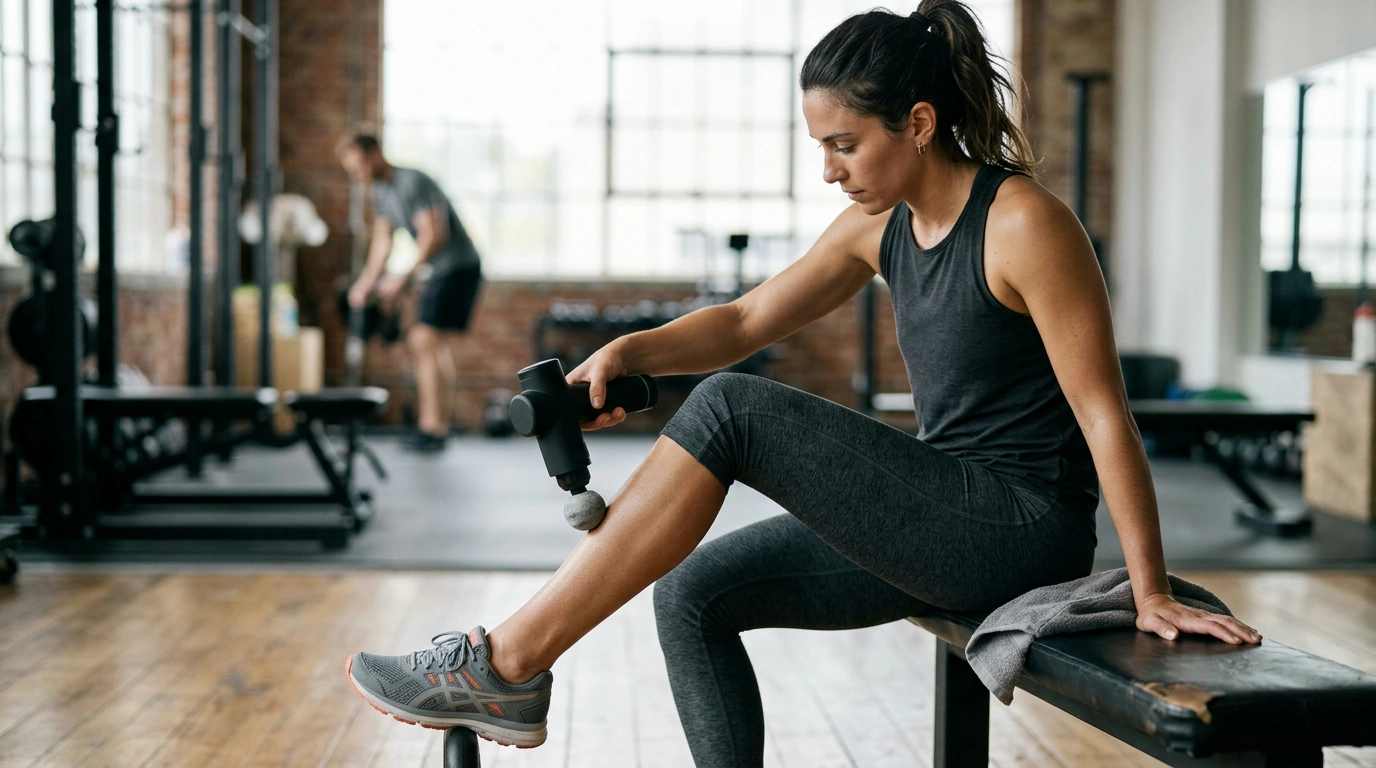
Deep Tissue Massage Gun for Athletes: Fast Recovery Support for Training Days
Training hard is only half the plan—recovering well is what keeps the next session strong. A deep tissue massage gun is a simple, athlete-friendly tool for warming up stiff muscles, easing post-workout tightness, and staying consistent through busy training weeks. Our team put together this practical guide so you can use a massage gun in repeatable ways—before sessions, after sessions, and on rest days—without overdoing it.
What a deep tissue massage gun does for athletes
A massage gun uses rapid percussion to deliver short, rhythmic pulses into soft tissue. For athletes, that can translate to a quicker “loose” feeling in targeted areas and a smoother transition from warm-up to working sets.
- Supports recovery by helping reduce that stubborn “tight” feeling after hard sessions.
- Useful for warm-ups: brief, light-to-moderate passes can help you feel more ready to move.
- Great for spot-treating common training hotspots like calves, quads, hamstrings, glutes, lats, traps, and forearms.
- Fits into a short routine: just a few minutes per area can complement mobility work, hydration, sleep, and smart programming.
- Best viewed as a recovery tool—not a replacement for strength work, mobility, or medical care when pain is sharp or persistent.
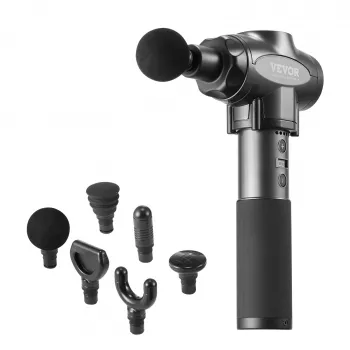
If you want a simple option you can keep in rotation at home, in the gym, or on the road, our Deep Tissue Massage Gun for Athletes is built for quick sessions that actually fit real training days.
How to use it without overdoing it
The biggest mistake athletes make is treating a massage gun like a “more is better” tool. You’ll usually get better results with lighter pressure, shorter bouts, and consistent use.
- Start easy: begin on a low setting and use light pressure—let the device do the work instead of pressing hard.
- Keep it moving: glide slowly across the muscle belly; avoid holding in one spot for long periods.
- Follow muscle lines: work in the direction of the muscle fibers and spend extra time where tissue feels dense—without chasing pain.
- Time it right: use shorter sessions pre-workout for readiness and slightly longer sessions post-workout for downshifting and relief.
- Pair with breathing: slow nasal breathing reduces guarding and makes the session more comfortable and effective.
Simple athlete routine: before and after training
| Timing | Goal | Where to focus | Suggested time |
|---|---|---|---|
| Pre-workout | Prime movement quality | Quads, glutes, calves, upper back (sport-dependent) | 30–60 seconds per muscle group |
| Between sets (optional) | Quick reset | Forearms, traps, calves (as needed) | 10–20 seconds targeted |
| Post-workout | Ease tightness | Worked muscle groups, especially hips/legs and back | 60–120 seconds per group |
| Rest day | Maintain mobility feel | Stiff areas only | 2–6 minutes total |
Where athletes get the most value: common muscle groups
If you’re not sure where to start, pick one or two areas that consistently feel “locked up” after training and build a small routine around them.
- Lower body (runners, field sports, lifters): calves, quads, hamstrings, glutes—use steady passes and avoid the knee joint and shin bone.
- Hips and TFL area: stay on the muscle, not the bony ridge; keep pressure conservative if sensitivity is high.
- Upper back and lats (swimmers, climbers, strength athletes): work broad muscles around the shoulder blade; avoid direct pressure on the spine.
- Chest and front shoulder (pressing-heavy programs): use light pressure and short duration; avoid the collarbone area.
- Forearms (racquet sports, climbing, lifting): short sessions can help with “grip fatigue” tightness; keep passes slow and controlled.
For many athletes, it helps to keep your recovery tools easy to access. A stable training-and-admin setup at home can make consistency simpler, which is why some customers pair their recovery routine with a dedicated workspace like our L-Shaped 50-Inch Gaming Desk with CPU Storage & Side Bag for Home Office for planning sessions, logging training, and getting mobility work done without clutter.
When not to use a massage gun (and when to get help)
A massage gun should feel like pressure and vibration—not sharp pain. When in doubt, back off or skip the area.
For broader recovery and safety guidance, you can also review resources from the American College of Sports Medicine (ACSM) and the Cleveland Clinic.
Making it part of a recovery system (not a one-off fix)
If you’re dealing with recurring cramps or general muscle soreness patterns, you can also reference NIH MedlinePlus for plain-language background and when to seek care.
A reliable pick for training days: Deep Tissue Massage Gun for Athletes
Ready to make recovery more automatic? Start with the Deep Tissue Massage Gun for Athletes and build a 5–10 minute routine you can repeat all season.
FAQ
How long should athletes use a massage gun on one muscle?
For pre-workout, 30–60 seconds per muscle group is usually plenty; for post-workout, 60–120 seconds per group is a practical range. Keep the head moving slowly and use moderate pressure—more time and force doesn’t automatically mean better recovery.
Can a massage gun replace stretching or mobility work?
No—think of it as a complement that can make mobility work feel easier. Pair a short percussion session with gentle range-of-motion drills or a normal warm-up so you keep the improved “loose” feeling when you move.
Is it okay to use a massage gun every day?
Daily light use can be fine if it doesn’t increase soreness or leave you tender. Adjust intensity to your training load, and stop if you notice bruising, irritation, or pain that changes how you move.









Leave a comment