Interactive Plush Dog Toys: Enrichment for Indoor Play
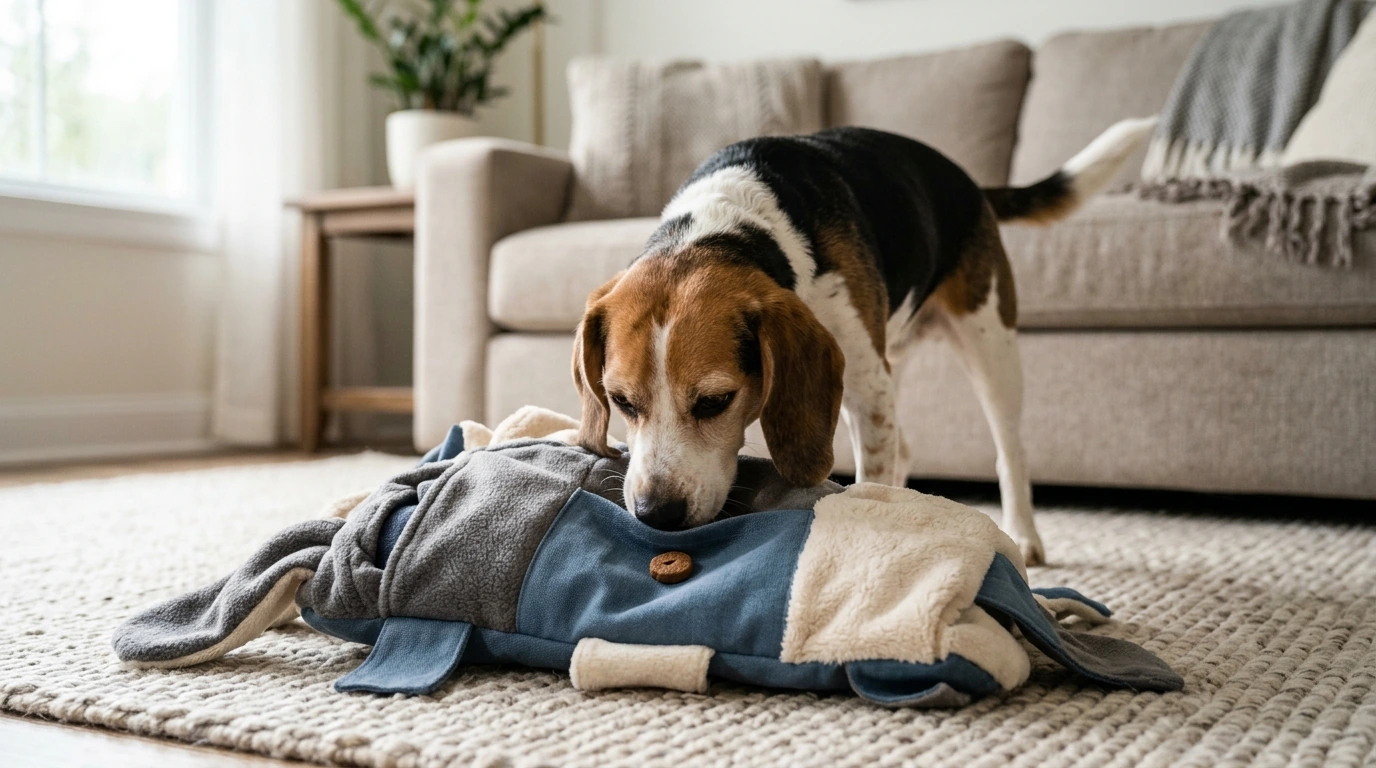
Interactive Plush Dog Toys: Soft Play That Keeps Dogs Busy
Interactive plush toys blend cuddle-soft materials with built-in features that spark chasing, chewing, and problem-solving. They’re a go-to option for indoor play, quick enrichment breaks, and helping dogs settle when boredom usually kicks in. When the toy “does something back”—crinkles, squeaks, hides a reward, or flops unpredictably—dogs tend to stay engaged longer than they do with a basic stuffed animal.
As with any dog toy, the sweet spot is matching the toy’s design to your dog’s play style and supervising early sessions until you know how your dog interacts with plush (carry and cuddle vs. targeted tearing). For general toy guidance and safety reminders, it’s worth reviewing recommendations from the American Kennel Club and ASPCA.
What “interactive” means in a plush toy
“Interactive” isn’t just a marketing word—it typically refers to built-in elements that reward engagement and encourage dogs to repeat the behavior.
- Built-in triggers that reward engagement: squeakers, crinkle layers, hidden pockets, or tug points give immediate feedback.
- Unpredictable feedback: changes in sound, texture, bounce, or a floppy shape keep the toy interesting because the response isn’t identical every time.
- Multi-sensory design: interactive plush options often lean on smell and hearing (treat pockets, squeakers) more than a plain stuffed toy.
- Best use cases: rainy-day exercise, supervised solo play, and short training games between walks.
Benefits for different play styles
Dogs “play” in different ways, and interactive plush features let you fine-tune the experience—especially helpful if your dog tends to get bored fast or needs calm indoor enrichment.
- Chewers (light to moderate): the soft mouthfeel can satisfy gentle gnawing; prioritize reinforced seams and minimal loose parts.
- Chasers: longer limbs, tails, or floppy shapes create movement that invites pouncing and shaking.
- Sniffers: plush toys with treat pockets or hide-and-seek slots turn play into nose work (often more tiring than fast physical play).
- Tuggers: handles or thicker “neck/torso” sections offer a safer grip area for interactive games with you.
- Nervous or easily overstimulated dogs: quieter crinkle layers or softer squeakers can feel less intense than loud rubber squeakers.
Choosing the right size and build
Plush toys are all about texture and comfort, but the build quality is what determines whether they’re fun for a week—or for months of rotation.
- Size: aim for a toy larger than your dog’s mouth opening to reduce swallow risk. For tiny breeds, avoid oversized toys that make gripping frustrating.
- Material density: layered fabric and stitched edges tend to outlast thin felt-like coverings.
- Seams and stitching: double-stitched or bound seams hold up better during shaking.
- Squeaker placement: centered squeakers are often harder for dogs to pinpoint and puncture immediately.
- If plush gets destroyed quickly: keep sessions supervised and rotate toys to reduce fixation on “dissecting” one target.
Quick comparison: common interactive plush features
| Feature | What it encourages | Best for | Watch-outs |
|---|---|---|---|
| Squeaker | Chasing, re-engagement | Most dogs, short play bursts | May overstimulate some dogs; remove if punctured |
| Crinkle layer | Gentle mouthing, curiosity | Puppies, noise-sensitive homes | Can tear if fabric is thin |
| Treat pocket / hidden pouch | Nose work, problem-solving | Sniffers, indoor enrichment | Use small treats; supervise to prevent fabric chewing |
| Rope/handle elements | Tugging, interactive play | Tuggers, training rewards | Check fraying; avoid unsupervised tug toys for heavy chewers |
| Reinforced seams / lining | Longer durability | Shakers, moderate chewers | Not indestructible; inspect regularly |
Safety checklist before and after play
Interactive plush toys should feel fun—not risky. A quick inspection routine helps prevent small issues from turning into a choking or ingestion hazard.
- Inspect for loose eyes, buttons, ribbons, or cracked squeaker pieces—remove the toy if parts detach.
- Match durability to your dog’s chewing strength; plush is rarely suitable for determined power-chewers without supervision.
- For multi-dog homes, introduce one toy at a time to reduce guarding or resource tension.
- Retire toys with exposed stuffing or lining; ingestion risks can lead to GI blockage.
- Supervise new toys during the first few sessions to learn your dog’s pattern (gentle carry vs. targeted tearing).
Simple games that make plush toys more engaging
The right mini-game can turn a “cute toy” into a reliable enrichment tool.
Care and cleaning for plush toys
A budget-friendly option to start with
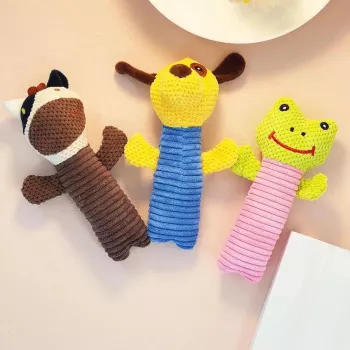
- Interactive Plush Dog Toys: a soft, engaging pick for indoor play and quick enrichment breaks.
- Good fit for households looking for an affordable plush option to see which features your dog gravitates toward.
- Keep early sessions supervised and inspect seams after rough play to extend usable life.
| Item | Price | Availability |
|---|---|---|
| Interactive Plush Dog Toys | $13.82 | In stock |
Indoor play setup picks (for the humans, too)
- L-Shaped 50-Inch Gaming Desk with CPU Storage & Side Bag for Home Office: a practical way to keep gear tucked away while your dog plays nearby.
- Wooden Montessori Balance Toys set: a budget-friendly activity for kids so you can focus on supervised dog play (keep children’s toys stored separately from dog toys to prevent mix-ups).
FAQ
Are interactive plush toys safe for puppies?
Yes, with supervision. Choose a puppy-appropriate size, avoid hard plastic parts, and retire the toy if seams split or stuffing becomes accessible.
How do you stop a dog from ripping plush toys apart?
Use short supervised sessions, rotate toys to keep novelty high, and redirect to a chew designed for heavy chewing when your dog is in a shredding mood. Reinforced designs help, but removing the toy once tearing starts is often the most effective habit-breaker.
How often should plush dog toys be replaced?
Replace them when stitching opens, stuffing or lining is exposed, squeakers break, or pieces become small enough to swallow. Treat-hiding plush toys may need replacing sooner if odors persist after cleaning.









Leave a comment