Interactive Plush Snuffle Toy Set for Dogs: Calm Scent Play
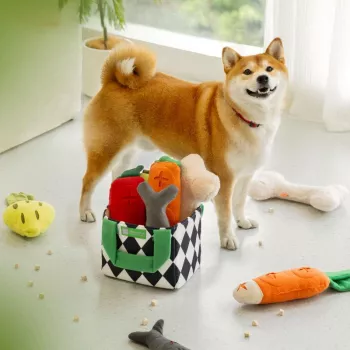
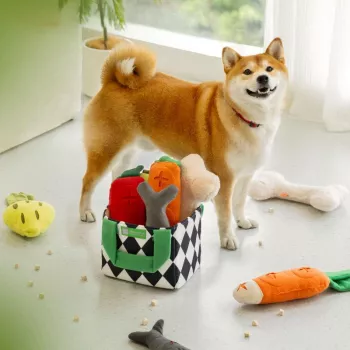
Interactive Plush Dog Snuffle Toy Set: Scent-Work Play for Curious Pups
Dogs experience the world through their noses. A plush snuffle toy set turns treat time into a calm, engaging activity that supports natural foraging instincts, helps reduce boredom, and adds structure to indoor play—especially on busy days or bad-weather walks. Instead of racing through a bowl, your dog gets a “job” to do: sniff, search, and solve simple hide-and-find challenges at their own pace.
What a snuffle plush set is designed to do
A snuffle plush set is built around nose-led searching. Treats or kibble get tucked into fabric pockets, folds, and channels, and your dog uses scent to locate each piece. That combination of sniffing and light problem-solving can be surprisingly satisfying—even for dogs that still have plenty of physical energy left.
- Encourages nose-led searching by hiding kibble or small treats in fabric pockets, folds, and channels
- Supports mental enrichment and problem-solving through simple “find it” challenges
- Can slow down fast eaters by spacing food across multiple hiding spots
- Provides a softer indoor option compared with hard puzzle toys—useful for quiet play periods
- Builds focus and confidence for dogs new to scent games
Enrichment can also support overall well-being when paired with daily movement, training, and social time. For additional ideas, the American Kennel Club and ASPCA dog enrichment resources offer helpful guidance on mixing mental and physical activities.
Who benefits most (and when to skip it)
Snuffle play tends to work best for dogs that enjoy food motivation and like to investigate with their nose. It’s also a practical option when outdoor time is limited.
- Great for puppies learning to use their nose and for adult dogs that get restless indoors
- Helpful for dogs that need calmer activities after surgery or during restricted exercise (with veterinarian approval)
- Useful for rainy days, apartment living, and mid-day breaks between walks
- Skip unsupervised use for dogs that shred plush toys or tend to swallow fabric pieces
- Not a substitute for daily exercise; best used as one piece of a balanced routine
If your dog is a heavy chewer or has a history of swallowing non-food items, treat snuffle toys like a supervised activity rather than a leave-out-all-day toy. When in doubt, ask your veterinarian what’s appropriate for your dog’s behavior and diet; general treat and feeding guidance is also available through AVMA pet owner resources.
How to introduce the toy set for quick wins
The fastest way to build enthusiasm is to make the first sessions easy and rewarding. Let your dog “learn the game” before increasing the challenge.
- Start easy: place treats in the most visible pockets and let the dog watch the setup
- Use higher-value, low-crumb treats at first to keep motivation high and cleanup simple
- Increase difficulty gradually by pushing treats deeper into folds and using fewer, smaller pieces
- Keep sessions short (5–10 minutes) to prevent frustration and to end on a success
- Rotate toys in the set to maintain novelty and reduce over-fixation on one item
Helpful cue pairings: ask for a brief “wait,” release with “find it,” and end with “all done.” That routine keeps the activity organized and can reduce frantic digging or grabbing.
Treat and kibble ideas that work well with plush snuffle play
Most dogs do best with dry, non-sticky pieces that come out of fabric easily. You can use snuffle play for full meals, but measuring portions first matters—especially for dogs watching their weight.
- Dry kibble for routine meals; measure the portion first to avoid overfeeding
- Small training treats or freeze-dried bites for higher motivation (watch calories)
- Low-odor options for sensitive noses; stronger-smelling treats for easily distracted dogs
- Avoid sticky spreads that can soak into fabric and encourage chewing or make washing difficult
- If using pieces of cooked food, keep them small and remove leftovers promptly
| Level | How to hide food | Best for | Time goal |
|---|---|---|---|
| Beginner | Treats placed near openings or shallow pockets | Puppies, first-time users | 3–5 minutes |
| Intermediate | Treats tucked into folds; fewer pieces overall | Most adult dogs | 5–10 minutes |
| Advanced | Treats pushed deeper; mix kibble + 1–2 high-value pieces | Confident scent seekers | 8–12 minutes |
Safety, supervision, and cleaning basics
Plush enrichment toys are safest when they’re treated like interactive equipment, not a chew toy. A quick check before and after each session helps prevent accidents.
Making it part of a calmer daily routine
For a ready-to-use option, see the Interactive Plush Dog Snuffle Toy Set (USD 47.51). For pet parents building a dedicated at-home routine, a stable work-and-play corner can also help keep sessions consistent—an L-Shaped 50-Inch Gaming Desk with CPU Storage & Side Bag for Home Office (USD 83.97) can support an organized setup for training logs, treat storage, and scheduled enrichment time.
FAQ
Can a snuffle toy replace a slow feeder bowl?
It can slow eating for some dogs by spreading food across multiple hiding spots, but it isn’t identical to a slow feeder bowl. Measure the meal portion, supervise use, and choose the option that best matches how fast your dog eats and whether they’re likely to chew or shred fabric.
How do you clean a plush snuffle toy set?
Shake out crumbs after each session, remove any leftover food, and spot-clean as needed. Follow the care label when washing, use a gentle detergent, rinse thoroughly, and air-dry completely before the next use while checking seams and pockets for damage.
Is it safe for dogs that like to shred toys?
For shredders, close supervision is essential, and many dogs in this category do better with sturdier enrichment options. Discontinue use immediately if seams tear, stuffing is exposed, or your dog tries to swallow fabric pieces.









Leave a comment