Hydroponic Tower Garden Kit Guide: Setup & Care
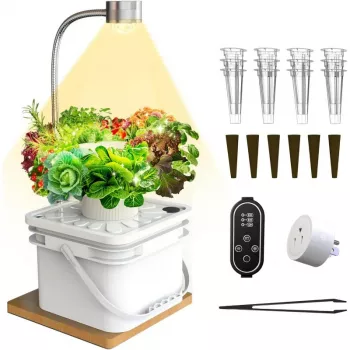
Hydroponic Tower Garden Kit for Small-Space Growing: Setup, Plant Choices, and Care
A vertical hydroponic tower can turn a tight corner, balcony, or sunny room into a steady source of greens and herbs. This guide breaks down how a hydroponic tower system works, how to set it up smoothly, what to grow first, and how to keep plants thriving with simple routines.
Why a tower-style hydroponic garden works well in small spaces
Tower systems grow upward, stacking planting sites in a compact footprint. That vertical layout makes it easier to harvest a surprising amount of produce without sacrificing floor space—ideal for apartments, patios, dorms, or home offices.
- Vertical footprint: More plants in less floor area by stacking sites upward.
- Water efficiency: Recirculating designs typically use less water than soil because runoff and evaporation are reduced.
- Cleaner indoor growing: No soil mess, fewer fungus gnats when managed well, and easier spill control with a tray or mat.
- Faster harvest cycles: Consistent moisture and oxygen at the roots can speed up leafy growth.
- Year-round options: With stable temperature and a grow light, production doesn’t have to stop with the seasons.
For background on how recirculating systems function, Penn State Extension has practical overviews of system basics and maintenance: https://extension.psu.edu/.
What to look for in a hydroponic tower kit
Not all towers feel the same in daily use. The best kit is the one you’ll actually maintain—easy to top off, easy to clean, and stable in the spot you plan to grow.
- Planting capacity: Consider how many sites you want now, and whether you can access each site for trimming and harvesting.
- Reservoir size: A larger reservoir tends to hold a steadier nutrient concentration and pH, reducing constant fiddling.
- Pump and circulation: Consistent flow helps prevent dry pockets. For indoor use, quiet operation is a quality-of-life feature.
- Material quality: Food-safe plastics and solid connections help prevent leaks; light-blocking designs also reduce algae.
- Ease of cleaning: Smooth surfaces, removable parts, and simple disassembly make routine maintenance faster.
- Grow media compatibility: Make sure it fits common options like net cups and starter sponges/plugs.
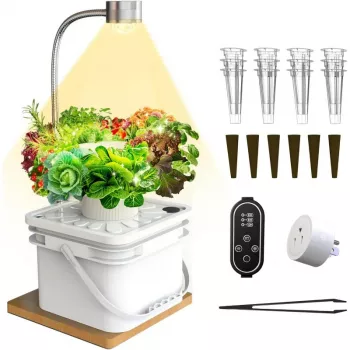
If you’re ready to get growing, start with a streamlined kit such as the Hydroponic Tower Garden Kit, then add lighting or accessories based on your space and goals.
Quick start: setting up the tower from unboxing to first seedlings
A smooth first setup prevents most “week one” problems (leaks, clogging, or stressed seedlings). Plan for 30–60 minutes for assembly and a little extra time for seedlings if you’re starting from seed.
- Rinse components: Wash tower parts, reservoir, and cups with mild soap and water; rinse thoroughly to avoid residues.
- Assemble on a level surface: Confirm the base is stable. Indoors, place a waterproof mat or tray underneath.
- Fill with water and run a leak check: Run the pump briefly with plain water before adding nutrients.
- Add nutrients gradually: Mix according to the nutrient label for leafy greens (usually lighter than fruiting crops).
- Start seedlings separately: Germinate in starter plugs/sponges; transplant when roots show through and seedlings have 1–2 true leaves.
- Place seedlings into planting sites: Ensure the plug touches moisture but isn’t fully submerged to reduce stem rot risk.
For many small-space growers, it helps to set the tower near a stable work surface where you can mix nutrients and keep testing tools. If you want a dedicated corner for supplies, a compact workstation like the L-Shaped 50-Inch Gaming Desk with CPU Storage & Side Bag for Home Office can keep measuring tools, refill water, and seed-starting trays organized in one place.
Best beginner plants for a tower system
Start with fast, forgiving crops that stay compact and don’t demand heavy feeding. Leafy greens and common culinary herbs are ideal for learning light, nutrients, and pruning without getting overwhelmed.
| Plant type | Examples | Typical time to first harvest | Notes for towers |
|---|---|---|---|
| Leafy greens | Romaine, butterhead, arugula | 3–6 weeks | Harvest outer leaves to extend production |
| Tender herbs | Basil, cilantro, parsley | 4–8 weeks | Pinch tips to encourage bushier growth |
| Hardy greens | Kale, Swiss chard | 5–10 weeks | May need pruning to reduce shading |
| Microgreens (if supported) | Radish, broccoli | 1–3 weeks | Best in dedicated trays or adapters |
Light, temperature, and airflow for steady growth
For broader controlled-environment growing guidance, the University of Florida IFAS Extension is a useful reference point: https://edis.ifas.ufl.edu/.
Water quality, nutrients, and routine checks
For produce-handling and general food safety considerations, the FDA’s hydroponic and aquaponic produce resources are a solid checkpoint: https://www.fda.gov/food.
Common issues and fast fixes
Getting the most value from a tower garden kit
FAQ
Can a hydroponic tower be used indoors without direct sunlight?
Yes. A suitable grow light can replace direct sun for leafy greens and herbs; pair it with moderate temperatures and gentle airflow to keep growth steady and reduce mold risk.
How often does the water need to be changed in a tower system?
Many growers refresh the reservoir every 1–3 weeks depending on reservoir size and how full the tower is. Between changes, top off with water as the level drops to keep the pump running smoothly and help prevent nutrient concentration swings.
What are the easiest plants to start with in a tower garden?
Leafy greens (like lettuce and arugula) and herbs (like basil and parsley) are among the easiest starters. Avoid large fruiting plants at first unless you have strong lighting, heavier feeding capability, and a plan for support.








Leave a comment