Heavy-Duty Tomato Cages: Strong Support for Climbers
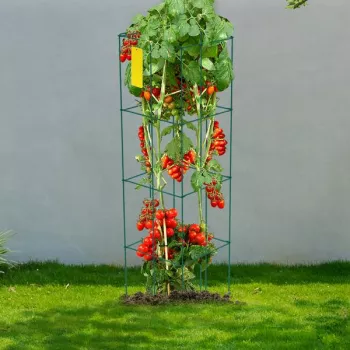
Heavy-Duty Tomato Cages for Climbing Plants: Stable Support for Bigger Harvests
Tall, fruit-laden vines need support that won’t tilt, snap, or collapse in wind and rain. Heavy-duty tomato cages help keep stems upright, improve airflow, and make pruning and picking easier—especially for indeterminate tomatoes and other climbing plants that grow fast and heavy. When the support is sturdy from day one, plants stay organized, fruit stays cleaner, and you spend less time rescuing branches after storms.
What makes a tomato cage truly heavy-duty
Not all “tomato cages” are built for full-season growth. Lightweight wire cones can buckle once vines are loaded with fruit, especially in wet weather when foliage and soil are heavier. A truly heavy-duty cage focuses on strength, stability, and secure connections.
- Thick-gauge steel or reinforced wire that resists bending under heavy fruit load.
- Protective coatings that slow rust, such as powder-coated, galvanized, or vinyl-coated finishes.
- Wide base footprint for stability in loose garden soil or raised beds.
- Multiple rings or rigid panels to distribute weight as vines climb.
- Strong connection points (welded joints, locking tabs, or solid clips) that won’t pop open mid-season.
Good support also helps plant health. Better airflow around stems and leaves can reduce humidity-related disease pressure; for deeper home-garden guidance on tomato growth habits and care, see University of Minnesota Extension’s tomato growing guide and disease basics from Penn State Extension.
Best uses beyond tomatoes
A strong cage is basically a compact, vertical trellis. Once you have a few sturdy cages, you’ll find they’re useful across the garden—especially for plants that sprawl, climb, or get top-heavy.
- Pole beans: guide runners upward for cleaner pods and easier harvest.
- Cucumbers: keep fruit off the soil to reduce rot and pest damage.
- Peas: offer a compact trellis option in small beds.
- Tomatillos and eggplants: add structure for branching plants with heavy fruit.
- Flowering climbers (morning glory, sweet peas): shape growth into a tidy column.
For vining crops, the key is early guidance. Once tendrils and stems find the cage, they’ll keep climbing with minimal help—especially if you check them weekly and tuck stray growth inward.
Choosing the right size and style for your garden
The “best” cage is the one that fits your plant’s growth habit, your bed layout, and how you like to prune. A little planning up front prevents mid-season headaches when plants are tall and brittle.
- Height: match cage height to plant type; indeterminate varieties often need taller support or extensions.
- Diameter: wider cages fit bushier growth and leave room for hands when pruning and picking.
- Single-plant vs. multi-plant: individual cages reduce tangling; panel systems can support a whole row.
- Bed type: raised beds benefit from wide bases or optional stakes; containers may need tie-downs.
- Storage: collapsible or stackable designs save space in the off-season.
Quick match guide: plant type to cage features
| Plant | Common growth habit | Recommended cage traits | Notes |
|---|---|---|---|
| Indeterminate tomatoes | Tall, continuous growth | Taller cage, rigid rings/panels, strong joints | Add soft ties for heavy trusses |
| Determinate tomatoes | Bushier, shorter season | Medium height, wider diameter | Focus on airflow and easy access |
| Cucumbers | Vining, spreading | Open structure, easy weave-in | Pick frequently to reduce weight load |
| Pole beans | Fast climber | Tall support, vertical training space | Encourage clockwise wrapping early |
Setting up for maximum stability (wind, rain, heavy fruit)
Even a strong cage can fail if it’s installed late or left loose in the soil. Stability comes from timing, depth, and a simple routine of training.
- Install early: place cages at transplant time to avoid root damage later.
- Anchor deep: press legs firmly into soil; in loose beds, use stakes or landscape staples.
- Level the base: ensure full contact with soil to prevent rocking.
- Train weekly: tuck stems inside rings/panels before they harden and crack.
- Use soft ties: support heavy fruit clusters without cutting into stems.
- Add mid-season reinforcement: additional clips, a central stake, or twine between cages for row stability.
If your garden gets gusty, consider linking neighboring cages together with twine at mid-height. A connected row behaves like a single, heavier structure and resists tipping better than standalone supports.
Care, storage, and rust prevention
Product spotlight: Heavy-Duty Tomato Cages for Climbing Plants
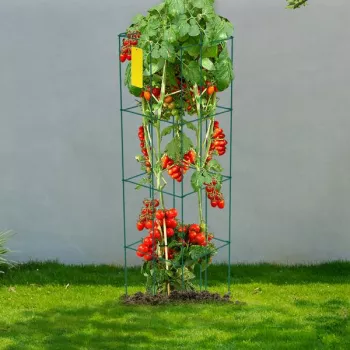
If you’re tired of flimsy cones collapsing as tomatoes size up, Heavy-Duty Tomato Cages for Climbing Plants are built for climbing growth and heavy fruiting plants through the season. They’re a practical option for gardeners who want sturdier support, cleaner plant structure, and easier access for pruning and picking.
At-a-glance details
| Item | Price | Availability | Link |
|---|---|---|---|
| Heavy-Duty Tomato Cages for Climbing Plants | $41.51 | In stock | View product |
Extra pick for garden-friendly downtime
For households gardening with kids, having a simple activity nearby can help you stay focused on training and tying plants without constant interruptions. The Wooden Montessori Balance Toys set is an easy, screen-free option to keep little hands busy while you work through pruning, tucking vines, and harvesting.
FAQ
Do heavy-duty tomato cages work for indeterminate tomatoes?
Yes—choose a taller, rigid cage and train vines inside weekly. Add soft ties for heavy fruit clusters and consider extra anchoring in windy areas to keep the cage from shifting as the plant gains height.
How do you keep tomato cages from tipping over?
Install cages at planting time, push the legs deep, and make sure the base sits level on the soil. In loose beds, anchor with stakes or garden staples, and consider tying neighboring cages together for added row stability.
Can tomato cages support cucumbers or pole beans?
Yes—guide vines onto the structure early so they climb where you want them. Pick cucumbers frequently to reduce weight load, and give beans a clear vertical path so they can wrap and hold on.







Leave a comment