8-Cup Digital Rice Cooker + Steamer with Rinse Basket
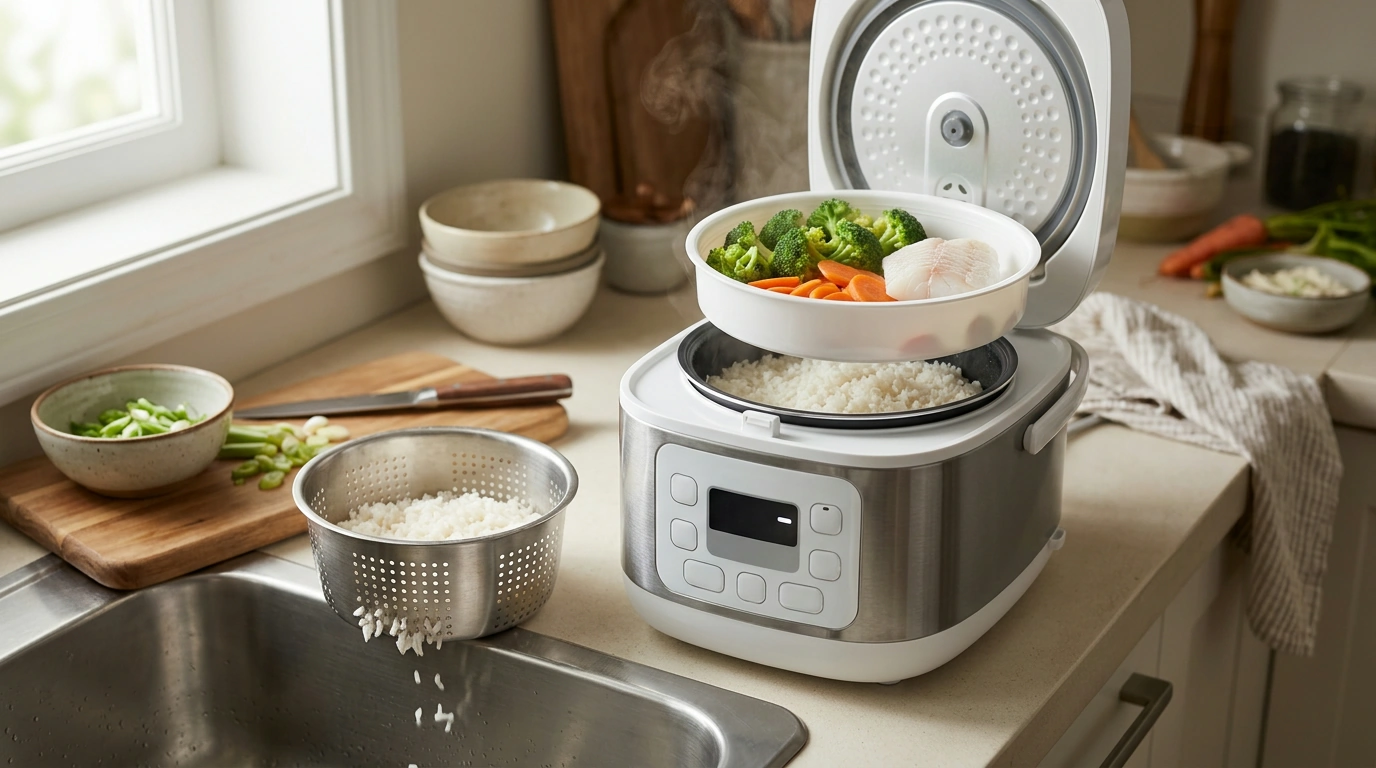
8-Cup Digital Programmable Rice Cooker & Steamer with Rinse Basket: Everyday Rice, Grains, and Steamed Meals Made Simple
A digital rice cooker that also steams can take a lot of friction out of weeknight cooking—especially when it includes a rinse basket to prep rice quickly and cleanly. An 8-cup digital programmable rice cooker & steamer with a rinse basket is designed to handle common rice types, batch-friendly grains, and simple steamed sides with repeatable results, all in a compact countertop footprint.
What an 8-cup digital rice cooker & steamer is built to handle
At its core, a programmable cooker helps remove the “watch the pot” factor. Preset programs manage heat and timing so rice finishes more consistently, and the steamer insert can turn one appliance into a full meal station.
- Cooks common rice types with less guesswork by using preset programs and controlled heating.
- Handles more than rice: quinoa, oatmeal, and other grains often work well with programmable settings.
- Steaming function supports vegetables, dumplings, fish, and reheating without drying food out.
- 8-cup capacity suits meal prep and family portions while still being manageable on a countertop.
| Feature | Why it matters for daily cooking |
|---|---|
| 8-cup capacity | Helps cover multiple servings at once; useful for leftovers and batch cooking. |
| Digital programmable controls | More consistent timing/temperature control and easier repeat results. |
| Steamer function | Lets sides cook hands-off while rice finishes. |
| Rinse basket | Speeds rinsing and draining rice with less mess at the sink. |
Rinse basket: faster prep, better texture, less mess
Rinsing isn’t complicated, but it can be annoying—especially when grains slip into the drain or you’re juggling a colander and measuring cup. A rinse basket streamlines the routine: rinse, drain, transfer, and move on.
- Rinsing rice removes excess surface starch that can contribute to gummy texture, especially for long-grain white rice.
- A rinse basket makes it easier to wash, drain, and transfer rice without losing grains down the drain.
- Good rinsing routine: rinse until water is mostly clear, then drain thoroughly before adding water to the inner pot.
- When rinsing is optional: some enriched or specialty rices may be labeled “do not rinse”; follow the package instructions.
| Rice type | Rinse guidance | Texture goal |
|---|---|---|
| Long-grain white (jasmine/basmati) | Rinse 2–4 times | Separate, fluffy grains |
| Short/medium-grain (sushi) | Rinse 3–5 times | Tender with light stickiness |
| Brown rice | Quick rinse (1–2 times) optional | Chewy, evenly hydrated |
| Parboiled/converted | Often minimal rinse | Firm, less sticky |
Programmable settings: what to use and when
Digital programs are most useful when you want repeat results without constantly adjusting the heat. The “right” program is usually the one that matches the grain’s hydration needs.
- White rice programs prioritize speed and a softer finish; adjust water slightly for firmer or softer preferences.
- Brown/whole grain programs use longer cook and rest cycles to fully hydrate bran layers.
- Keep warm helps hold serving temperature; for best texture, fluff promptly and keep the lid closed.
- Delay timer is most useful for plain grains; avoid delaying recipes with perishable ingredients unless the manufacturer explicitly supports it.
Practical routine for consistently fluffy rice
For a dependable bowl every time: rinse (when appropriate), drain well, measure water, start the program, then let the rice rest a few minutes after it clicks to warm. Finish by fluffing with a paddle to release trapped steam and prevent the bottom layer from getting dense.
Steaming while rice cooks: easy full meals in one appliance
The biggest advantage of a rice cooker with a steamer insert is parallel cooking: rice below, sides above. It’s especially handy for simple dinners like teriyaki bowls, salmon with broccoli, or dumplings with jasmine rice.
Food safety and leftovers
If you’re planning to store extra rice, cool it promptly and refrigerate in shallow containers. For best practices on leftovers and safe storage windows, reference the USDA food safety guidance here: USDA Food Safety and Inspection Service: Leftovers and Food Safety.
Rice choice and what to know
If rice is a frequent staple, it’s also worth reviewing broader consumer guidance on rice and arsenic. The FDA overview provides practical context and tips: FDA: Arsenic in Rice and Rice Products.
Cleaning and maintenance for long-lasting performance
When an 8-cup cooker is the right size (and when it isn’t)
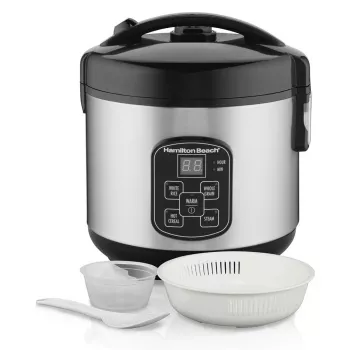
Product spotlight: 8-Cup Digital Programmable Rice Cooker & Steamer with Rinse Basket
If the goal is faster prep, less sink mess, and a consistent rhythm (rinse, measure, cook, rest, fluff), the 8-Cup Digital Programmable Rice Cooker & Steamer with Rinse Basket is built around that exact flow. It’s a practical option for rice bowls, stir-fry nights, and batch grains for salads and lunches—plus steaming vegetables or dumplings without adding another pot to the stove.
A couple more in-stock picks (different categories)
- L-Shaped 50-Inch Gaming Desk with CPU Storage & Side Bag for Home Office
- Wooden Montessori Balance Toys set
FAQ
How many servings does an 8-cup rice cooker make?
It depends on whether “8 cups” refers to cooked capacity and how large your portions are, but it typically covers a family meal with room for leftovers. For the most accurate expectation, check how the model defines capacity and whether it’s measuring cooked rice or uncooked rice-cooker cups.
Do you need to rinse rice if you use a rice cooker?
Rinsing is optional, but it often improves texture by removing excess surface starch—especially for long-grain white rice. If a bag of rice says “do not rinse” (common with some enriched varieties), follow the package directions.
Can you steam vegetables while the rice cooks?
Yes, many rice cookers with a steamer insert can steam vegetables while rice cooks underneath. To prevent overcooking, start the vegetables later in the cycle when possible and check doneness right away.










Leave a comment