55PCS Interlocking Drainage Tiles for Patio & Pool Areas
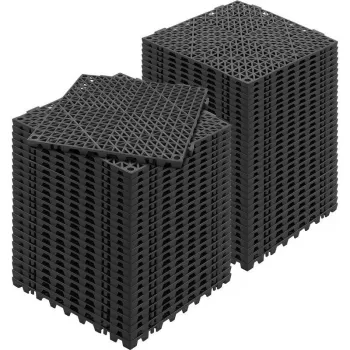
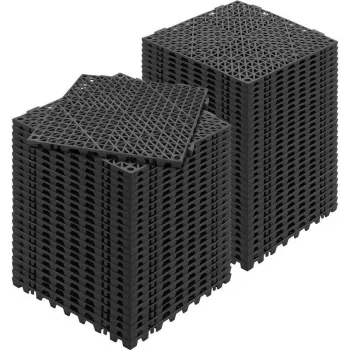
55PCS Interlocking Drainage Floor Tiles for Cleaner, Drier Outdoor and Utility Spaces
Wet spots, muddy shoes, and puddles that never quite dry can make a patio, balcony, pool edge, or laundry corner feel harder to use than it should. Interlocking drainage floor tiles create a raised, breathable surface that lets water move through instead of sitting on top. This 55-piece set is designed to click together fast, cover a practical area, and give everyday spaces a cleaner, more comfortable footing—without committing to a permanent renovation.
What interlocking drainage tiles do (and why they’re different from flat mats)
Flat mats can trap water against the surface beneath them, especially in shaded spots or areas that get frequent splashes. With drainage tiles, you’re creating a structured platform that’s meant to handle routine moisture more gracefully.
- Creates an elevated surface so water can drain below rather than pooling where you walk.
- Helps reduce tracked-in moisture by giving shoes a drier surface to step onto.
- Turns uneven, damp, or frequently splashed areas into a more usable zone—especially around grills, entryways, or planters.
- Interlocking design makes it simple to expand, reconfigure, or remove seasonally.
If you’re trying to reduce slip and trip risks, it helps to pair better drainage with good housekeeping—keeping pathways clear, managing cords, and cleaning spills promptly. Guidance like OSHA’s walking-working surfaces recommendations can be a useful reference for practical safety habits (OSHA Walking-Working Surfaces).
Where a 55-piece set fits best around the home
Our team sees these tiles work best when you use them to “solve a specific wet problem,” not necessarily to cover an entire patio wall-to-wall. A defined dry zone can make the space feel immediately more functional.
- Balcony and patio corners: define a “dry zone” near the door where rainwater tends to collect.
- Poolside and hot tub surrounds: adds drainage and a more comfortable step-out area where splashes are constant.
- Garage and mudroom transitions: place tiles where wet gear, boots, and pet paws usually land.
- Outdoor cooking spots: helps keep a steadier, easier-to-clean footing around a grill or prep table.
- Utility and laundry areas: useful near sinks or washers where drips happen routinely.
Planning your layout before snapping tiles together
A few minutes of layout planning can prevent common annoyances later—like a door that barely clears, or an edge that looks accidental.
- Measure the footprint of the area and decide whether the goal is full coverage or a targeted runner-style section.
- Start with the most-used walking path first (door to seating, gate to grill, pool steps to towel station), then fill outward.
- Keep edges clean: align the outer boundary so it looks intentional, not like a patchwork.
- Allow for drainage: avoid blocking floor drains; leave small gaps near thresholds if needed so doors clear smoothly.
- If the space is irregular, build a rectangle and trim the coverage area by leaving out tiles at corners rather than forcing a tight fit.
Quick placement guide for common spots
| Space | Best layout approach | Practical tip |
|---|---|---|
| Balcony by a door | Rectangle “landing pad” | Leave clearance so the door swings freely and doesn’t scrape the tile edge. |
| Pool or hot tub step-out | Wide mat-style zone | Extend at least one step beyond where feet typically drip to reduce slippery puddles. |
| Garage entry / mudroom | Runner along the traffic lane | Pair with a boot tray nearby for heavy mud days. |
| Grill station | Work triangle coverage | Cover the area where you stand most—front of grill and side prep zone. |
Everyday maintenance that keeps tiles looking fresh
Drainage tiles stay at their best when the channels beneath them can do their job. That means keeping both the top surface and the underside reasonably clear.
For general fall-prevention habits around the home—especially in wet areas—NIOSH guidance is a solid baseline for reducing slips and trips (CDC/NIOSH Slip, Trip, and Fall Prevention).
Comfort and safety upgrades to pair with drainage tiles
If you’re setting up a clean, organized station for gear nearby, our team also keeps work-and-storage options in stock for indoor planning zones, like the L-Shaped 50-Inch Gaming Desk with CPU Storage & Side Bag for Home Office, which can help you keep towels, cleaning supplies, or pool-test items from ending up on the floor.
When these tiles are a strong fit—and when another solution may be better
In-stock picks from our team
- 55PCS Interlocking Drainage Floor Tiles — a practical set for building a defined dry zone in wet-prone areas.
- L-Shaped 50-Inch Gaming Desk with CPU Storage & Side Bag for Home Office — helpful for keeping essentials organized so walkways stay clear.
FAQ
Can interlocking drainage floor tiles be used around pools or hot tubs?
Yes—these tiles are a strong match for step-out and splash areas where water is constant. You’ll get the best results when the base surface is swept clean first, the tiles sit flat without wobble, and nearby drains stay clear so water doesn’t stagnate underneath.
Do these tiles need to be permanently installed?
No. The click-together format is designed for quick assembly, seasonal changes, and easy reconfiguration, and you can lift sections whenever you want to clean or adjust the layout.
How should the area be cleaned underneath the tiles?
Lift a section periodically, remove trapped debris, rinse the tiles and the base surface, and let everything dry before placing them back down. How often you do this depends on shade, leaf fall, and how frequently the area gets soaked.









Leave a comment