Heat + Variable Speed Handheld Massager: Relief Guide
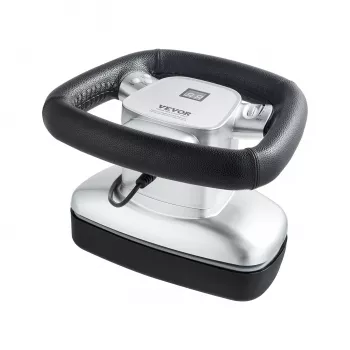
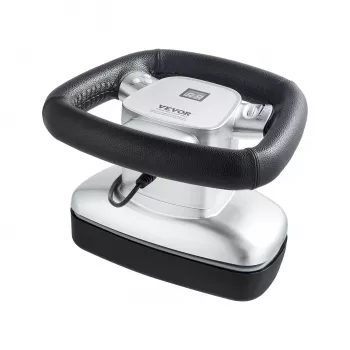
Handheld Chiropractic Massager with Heat & Variable Speed for Muscle Relief
Tight shoulders, a stiff neck after long screen time, or heavy legs after workouts can make even simple days feel harder than they need to. A handheld chiropractic-style massager with heat and variable speed is built to bring targeted relief right where your body holds tension most—without complicated setup. Our team put together this guide to help you understand what this style of massager does best, how to pair heat with the right speed, and easy routines you can repeat when your muscles need a reset.
What this handheld massager is made to do
A handheld massager shines when you want control—choosing the exact spot, angle, and pressure that feels best for you.
- Targets specific areas like the neck, shoulders, upper back, lower back muscles (beside the spine), glutes, thighs, and calves with focused, handheld control.
- Combines massage action with heat to encourage tight, overworked muscles to relax and “let go.”
- Variable speed lets you keep things gentle for daily comfort or increase intensity when you’re loosening larger muscle groups.
- Fits real life: quick resets between desk work, driving, workouts, chores, and your end-of-day wind-down.
Massage tools can be a helpful complement to recovery and daily comfort habits. If you want a clear overview of how percussive-style tools may help (and when to be cautious), Cleveland Clinic offers a practical primer here: Massage Guns: Do They Work?.
Heat + variable speed: how to match settings to the moment
The most effective setting is the one you can use consistently and comfortably. When you’re deciding between speed and heat, think “comfort-first,” then build gradually.
How to choose speed by body area
- Lower speeds tend to feel better on sensitive zones like the neck and upper traps.
- Medium to higher speeds are often more comfortable on larger muscle groups like glutes, quads, hamstrings, and calves.
- Avoid chasing intensity. Relief should feel like “good pressure,” not sharp or electric.
How to use heat without overdoing it
- Heat pairs well with stiffness and that “tight, guarded” feeling—start with a short warm-up pass, then massage.
- For post-workout soreness, begin gentle and only increase intensity if it stays comfortable.
- Short, consistent sessions typically beat long, aggressive sessions—think minutes, not marathons.
For a quick, trustworthy explanation of when heat helps most, Mayo Clinic’s guide is a solid reference: Heat therapy: How it helps.
| Situation | Suggested speed approach | Heat use | Typical session length |
|---|---|---|---|
| Desk/tech neck and shoulder tightness | Low → medium, slow passes | On for the first 1–2 minutes, then as comfortable | 3–6 minutes total |
| Lower-back tension after standing or chores | Medium, steady pressure (avoid spine) | On if it feels soothing | 5–8 minutes total |
| Post-workout legs (quads/hamstrings/calves) | Medium → higher, broad strokes | Optional; stop if it feels too intense | 6–10 minutes total |
| Wind-down before bed | Low, light contact | On low/comfortable | 3–5 minutes total |
A simple routine for common tight spots
If you want a repeatable routine, use this order: warm up the area briefly (optional heat), massage with slow passes, then finish with a gentle stretch or an easy walk.
Neck and upper traps
- Keep pressure light and move slowly.
- Avoid direct contact on the front/side of the neck.
- Stay on the muscle “shelf” at the top of the shoulders, not on bony points.
Shoulders and upper back
- Use broad passes along the muscles beside the shoulder blades.
- Glide along muscle tissue rather than pressing into the spine or shoulder blade edges.
Lower back
- Work the muscles on either side of the spine.
- Avoid pressing directly on the spine itself.
Glutes, hips, calves, and feet
- Spend extra time on glutes/hips if lower-back tightness seems linked to long sitting.
- Keep motion slow and controlled on calves and feet, especially if the area is sensitive.
Comfort and safety basics that matter
If you’d like broader context on massage therapy benefits and precautions, NCCIH summarizes the evidence and safety considerations here: Massage Therapy: What You Need To Know.
Where this massager fits in a recovery plan
Product picks from our shop
- Handheld Chiropractic Massager with Heat & Variable Speed for Muscle Relief — a straightforward option for targeted muscle comfort, adjustable intensity, and warming support when stiffness shows up.
- L-Shaped 50-Inch Gaming Desk with CPU Storage & Side Bag for Home Office — a practical desk upgrade if your “tech neck” and shoulder tightness tends to flare during long work or gaming sessions, since a better workstation setup can reduce how often tension builds in the first place.
FAQ
How long should a heated handheld massager be used on one area?
Keep it short and comfortable—often a few minutes per area. Start with 1–2 minutes, then add time only if it stays pleasant; stop right away if you notice pain, numbness, tingling, or skin irritation.
Can heat and massage be used on the neck and shoulders?
Yes, as long as you keep the pressure gentle and placement careful. Use low speed, make slow passes over muscle (not bone), and avoid the front/side of the neck.
Is it better to use heat before or after massage?
Either can work, but a simple approach is brief heat first to relax the area, then massage, and finish with optional light heat if it feels soothing. Prioritize comfort and avoid overheating the same spot.









Leave a comment