Handheld Steam Cleaner for Grout, Fixtures & Tight Spots
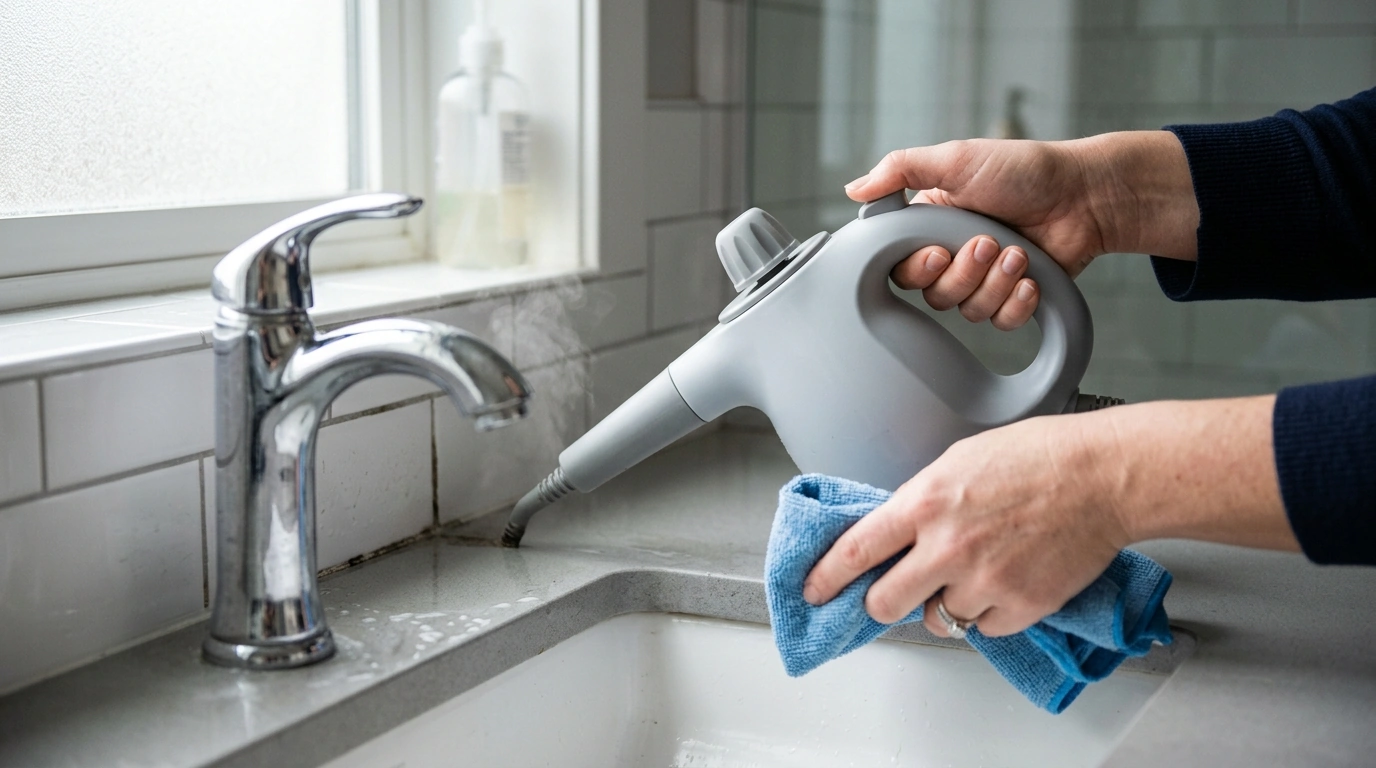
Handheld Steam Cleaner: Fast, Chemical-Free Cleaning for Tight Spots
A handheld steam cleaner uses heated water vapor to loosen grime and cut through greasy buildup on hard surfaces and in hard-to-reach corners. It’s a practical option for quick touch-ups, detailed cleaning, and reducing reliance on chemical sprays—especially in kitchens, bathrooms, and around fixtures. When paired with a microfiber cloth, steam can soften stuck-on residue so it wipes away with less scrubbing and fewer harsh fumes. For more guidance, see 4 Best Handheld Steam Cleaners, Evaluated and Reviewed.
What a Handheld Steam Cleaner Does Best
Handheld models shine when the job is small, detailed, or awkward to reach. Instead of leaning on abrasive pads or strong degreasers, you’re using heat plus moisture to loosen what’s holding dirt in place. For further reading, see Awasky Steam Cleaner – Official Website.
- Targets stuck-on residue with heat and moisture rather than abrasive scrubbing
- Reaches narrow gaps around faucets, grout lines, tracks, and appliance edges
- Helps lift greasy kitchen film on sealed surfaces with minimal detergents
- Works well for quick, small-area cleaning without hauling larger equipment
- Pairs effectively with wiping: steam to loosen, cloth to remove
Where Steam Helps Most Around the Home
Steam is best used on sealed, non-porous surfaces where you can quickly wipe away the loosened soil. It’s especially handy in areas that collect oily film (kitchens) or soap scum (bathrooms).
- Kitchen: stove knobs, range hood edges, backsplash splatter, sink rims, sealed countertops
- Bathroom: tile and grout (sealed), shower doors, faucet bases, toilet exterior seams
- Entryways: sealed tile, door thresholds, window tracks (wipe out loosened debris)
- Appliances: refrigerator door seals (carefully), microwave interior residue (wipe after)
- Spot work: sticky labels and adhesive residue (test first; wipe immediately)
Common Surfaces: Good Fits vs. Use Caution
| Surface/Area | Recommended? | Notes |
|---|---|---|
| Sealed tile, porcelain, stainless steel | Yes | Keep the nozzle moving; wipe after steaming to remove loosened soil. |
| Sealed grout | Usually | Steam can help lift grime; avoid over-saturating and re-seal grout as needed. |
| Glass shower doors | Yes | Steam loosens soap scum; follow with a microfiber cloth to prevent streaks. |
| Unsealed wood, waxed floors | No | Heat and moisture can warp, dull, or strip finishes. |
| Painted walls, wallpaper | Use caution | Test a hidden spot; heat/moisture may damage paint or loosen adhesive. |
| Electronics, outlets, switches | No | Moisture and heat can cause damage or shock hazard. |
| Natural stone (marble, limestone) | Use caution | May etch or damage sealant; test first and avoid prolonged steaming. |
For guidance on when disinfection is needed (beyond routine cleaning), refer to public-health resources like the CDC’s cleaning and disinfecting guidance and the EPA’s disinfectant information.
How to Use It for Better Results (Without Overdoing Moisture)
The biggest difference between a satisfying steam clean and a soggy mess is technique. Think “soften and lift,” not “flood and hope.”
- Prep: sweep or wipe loose debris first so steam focuses on stuck-on soil
- Short bursts: steam briefly, then wipe—repeat rather than soaking an area
- Angle control: direct vapor into seams and corners; use a cloth immediately after to pull out grime
- Work top-down: prevent dirty runoff from re-soiling cleaned areas
- Finish dry: buff with a dry microfiber cloth to reduce streaks and moisture left behind
For tight tracks and creases, steam for a second or two, then follow with a folded cloth edge to “scoop” out the loosened debris. On greasy spots, a second pass often works better than holding the nozzle in one place.
Safety and Surface Care
Steam is effective because it’s hot—so treat it like a hot tool, not a mist bottle. A few simple habits help protect both surfaces and hands.
- Treat the nozzle and steam as hot: keep hands clear of the jet and allow cooling before changing attachments
- Keep away from children and pets during use and cool-down
- Avoid forcing steam into cracks where moisture can get trapped (baseboards, unsealed grout, laminate seams)
- Do not use on electrical components, outlets, or powered appliances unless fully unplugged and manufacturer allows it
- Test first on delicate finishes and stop if discoloration, dulling, or lifting occurs
If a surface is prone to water spots (glass, chrome), plan to wipe and then dry right away. The steam loosens the film; the cloth actually removes it.
Care and Maintenance for Longer Tool Life
Most handheld steam cleaners stay consistent longer when mineral buildup is kept under control. A little after-care also prevents musty odors and residue in the tank.
A Simple Routine: Kitchen and Bathroom Touch-Up
Handheld Steam Cleaner Option
Current Listing
| Product | Price | Availability |
|---|---|---|
| Handheld Steam Cleaner | 55.67 USD | In stock |
More In-Stock Picks
- L-Shaped 50-Inch Gaming Desk with CPU Storage & Side Bag for Home Office
- Wooden Montessori Balance Toys set
- 1:20 Scale RC Dump Truck Excavator with Remote Control for Kids
FAQ
Can a handheld steam cleaner disinfect surfaces?
Heat can reduce microbes, but results depend on the temperature at the surface and how long steam maintains contact. When true disinfection is required, follow product-labeled disinfectant directions and public-health guidance rather than assuming steam alone meets disinfection standards.
Is it safe to use steam on grout and tile?
Sealed tile and sealed grout are commonly compatible with steam, but it’s best to test an inconspicuous area first. Use brief passes, wipe away extracted grime immediately, avoid soaking seams, and re-seal grout as needed to help prevent moisture intrusion.
Should distilled water be used in a steam cleaner?
Distilled water is a smart choice in hard-water areas because it can slow mineral buildup and keep steam output more consistent. Check the manufacturer’s guidance, and empty and dry the tank after use to help prevent odors and scaling.











Leave a comment