2000W 2073Wh LiFePO4 Power Station: Camping & Backup
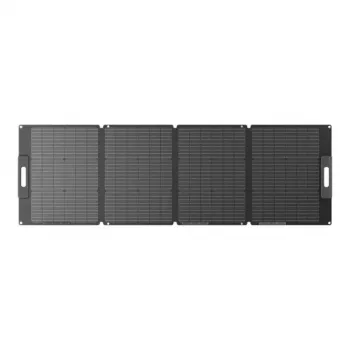
2000W Portable Power Station (2073Wh LiFePO4) for Camping and Emergency Backup
A high-capacity portable power station can keep essentials running when the grid is down, campsites are off-grid, or work needs to continue away from outlets. This guide breaks down what a 2000W, 2073Wh LiFePO4 power station is designed to handle, how to estimate real-world runtime, how to recharge it (including solar), and what to check before relying on it for emergencies.
What a 2000W / 2073Wh LiFePO4 power station is best for
This class of power station fits the “do a little of everything” role: car camping, RV weekend backup, tailgates, jobsite electronics, and short-term home essentials during outages. It’s strong enough to run multiple small devices at once while also supporting occasional higher-watt appliances when used strategically.
The two numbers tell you different things. 2000W is the maximum continuous AC output—how much you can power at the same time through the inverter. 2073Wh is the stored energy—how long it can run your total load before it needs a recharge.
LiFePO4 (lithium iron phosphate) batteries are a favorite for preparedness because they’re known for stable chemistry and long cycle life, and they tend to handle frequent charging better than many older lithium chemistries. Just keep expectations realistic: high-watt appliances (space heaters, hair dryers, electric kettles) can drain even a large battery quickly, even if the inverter can technically run them.
Power planning: match devices to output and capacity
Start by listing the devices that actually matter for your situation: phone, laptop, CPAP, modem/router, a small fan, LED lights, a portable fridge, and any medical devices. Then check the label for watts (W). If it only lists amps (A), use a quick estimate: watts ≈ volts × amps (for typical U.S. outlets, 120V is a practical rule of thumb).
Next, account for surge needs. Compressor-based devices (like mini fridges) and some power tools can require a short startup surge higher than their running watts. Also avoid stacking too many mid-watt devices at once—staying comfortably under the continuous limit helps prevent nuisance shutoffs.
For runtime, think in watt-hours (Wh). A practical estimate is:
Runtime (hours) ≈ battery Wh × efficiency ÷ load W
Use an efficiency range of 0.80–0.90 to cover inverter and conversion losses. That keeps the estimate closer to real-world performance rather than “perfect lab” numbers.
Sample runtime estimates with a 2073Wh power station (real-world range)
| Device scenario | Approx. load (W) | Estimated runtime (hours) | Notes |
|---|---|---|---|
| Phone charging (2 phones) | 20 | 83–93 | Multiple full charges; depends on charger efficiency |
| Laptop + Wi‑Fi router | 90 | 18–21 | Useful for remote work during outages |
| CPAP (no heated humidifier) | 40 | 41–47 | Heated humidifiers can multiply power draw |
| Portable fridge (average cycling load) | 60 | 28–31 | Compressor surge at startup; average varies by ambient temp |
| LED lighting for a room | 30 | 55–62 | Great efficiency; long-lasting illumination |
| Microwave use (short bursts) | 1200 | 1.4–1.6 | Total “on” time; practical use is minutes at a time |
Charging options: wall, vehicle, and solar
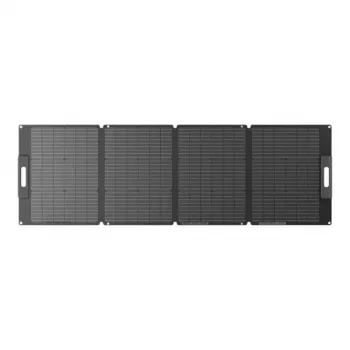
Solar best practices: place panels in full sun, avoid partial shade, re-aim around midday, and keep connectors dry and secure. For broader outage planning, Ready.gov’s guidance on staying powered and informed is a solid reference: https://www.ready.gov/power-outages.
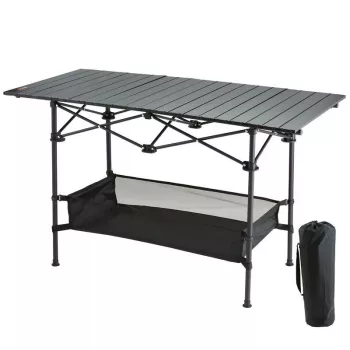
Camping setup: quiet power for meals, comfort, and electronics
Emergency backup at home: prioritize essentials and stay safe
For refrigeration, keep doors closed and limit openings. For food safety during outages, follow USDA guidance on time and temperature thresholds: https://www.fsis.usda.gov/food-safety/safe-food-handling-and-preparation/emergencies/disasters-and-emergencies.
Battery-based power stations produce no exhaust like gas generators, but they still generate heat under load. Keep vents clear, avoid covering the unit, and manage cords to prevent overheating or tripping hazards. If you’re comparing backup approaches, the U.S. Department of Energy overview is a helpful starting point: https://www.energy.gov/energysaver/backup-power-options.
What to look for in everyday use
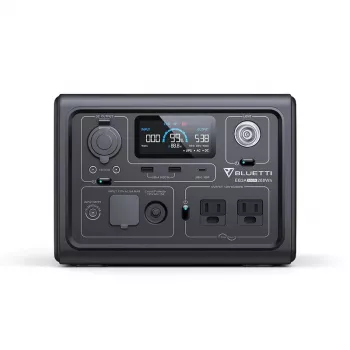
Featured option: 2000W Portable Power Station (2073Wh LiFePO4)
2000W Portable Power Station, 2073Wh LiFePO4 Solar Generator for Camping & Emergencies is designed for high-demand portable use and pairs well with solar for extended off-grid time.
If you’re building a more comfortable “power corner” for outage work or study, pairing backup power with a dedicated workstation can help keep cords, chargers, and devices organized: L-Shaped 50-Inch Gaming Desk with CPU Storage & Side Bag for Home Office.
FAQ
How long will a 2073Wh power station run a refrigerator?
Most refrigerators cycle on and off, so the average draw is often around 50–150W depending on size, room temperature, and how often the door opens. Using 80–90% efficiency, a 2073Wh station can realistically land anywhere from about 10 hours to 30+ hours, with higher runtime when the fridge runs less and the room is cooler. Startup surge is normal for compressors, so confirm the power station can handle that brief spike.
Can a 2000W power station run a microwave or coffee maker?
Many microwaves and coffee makers will run as long as their running watts stay within the power station’s continuous output (and any surge limit). The tradeoff is speed versus battery life: high-draw appliances can drain stored energy quickly, so short bursts (minutes, not hours) are the most practical approach.
Is LiFePO4 safe to use indoors during a power outage?
Battery power stations don’t produce exhaust fumes the way gasoline generators do, so they can be used indoors when operated correctly. Keep the unit away from water and flammables, don’t block ventilation areas, and follow the manufacturer’s instructions for charging, load limits, and storage.









Leave a comment