Reinforced Waist Tool Bag for Fast, Organized DIY Carry
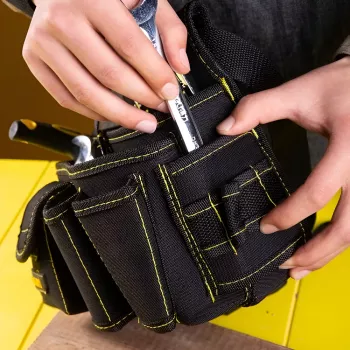
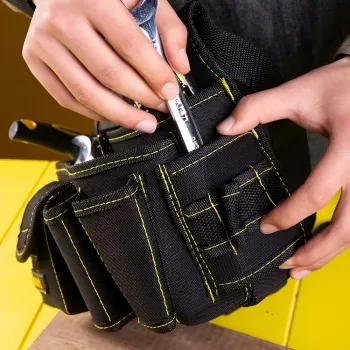
Multifunctional Waist Tool Bag with Reinforced Structure and Comfortable Grip
Keeping essential tools within reach reduces wasted motion and helps maintain safer, more organized work habits. A waist tool bag with a reinforced build and a comfortable grip is designed for frequent grab-and-go use—whether for home repairs, DIY projects, or light trade work—while keeping weight close to the body for better control.
For anyone tired of digging through a crowded toolbox for a pencil or utility knife, a compact waist-worn organizer can turn small tasks into smoother, faster routines. When the bag holds its shape and stays stable at the waist, you spend less time adjusting gear and more time finishing the job neatly.
What This Waist Tool Bag Is Made to Do
- Carry commonly used hand tools (tape measure, screwdriver, pliers, utility knife, small hammer) without needing a full toolbox nearby.
- Support repeated use with reinforced structure to help the bag hold its shape when loaded.
- Provide a comfortable grip for quick pick-up, repositioning, and short carries between tasks.
- Keep small items separated to reduce rummaging time during repairs and installations.
Instead of a “dump pocket” that swallows everything, a multi-pocket waist tool bag encourages a simple habit: each tool has a home. That habit can reduce dropped hardware, misplaced bits, and those frustrating mid-task pauses.
Reinforced Structure: Why It Matters for Daily Use
A reinforced tool bag isn’t just about durability—it’s about usability. When the body of the bag is supported, pockets tend to stay open and predictable.
- Shape retention: reinforced panels help prevent collapse, making it easier to re-holster tools with one hand.
- Load distribution: a stiffer structure can reduce sagging and shifting as tools move during walking or climbing steps.
- Pocket integrity: reinforced seams and stress points help pockets keep form when heavier items (pliers, wrenches) are stored.
- Longevity: reinforcement at wear zones can reduce early fraying around pocket edges and belt attachment points.
If you use hand and power tools, it also pays to keep basic handling and safety practices in mind. OSHA’s guidance on safe tool use is a helpful refresher for home and jobsite routines: OSHA — Hand and Power Tools.
Comfortable Grip: Small Detail, Big Convenience
A comfortable grip (or handle) can seem like a minor add-on—until you start moving around. It makes the bag easier to manage when you’re bouncing between work zones.
- Helps with quick relocation: grab the handle/grip to move the bag from bench to ladder area without fully removing the belt.
- Reduces hand strain: more comfortable than pinching fabric edges, especially when the bag is loaded.
- Improves control: steadier handoff when passing the bag to someone else in the garage or around the home.
- Useful for storage: easier to hang or carry the bag to a shelf, pegboard area, or vehicle trunk.
When loads are carried close to the body and handled efficiently, comfort matters. For broader context on reducing strain during everyday tasks, see: NIOSH — Ergonomics and Musculoskeletal Disorders.
Pocket Layout and Tool Access That Saves Time
Organization is what turns a waist tool bag from “extra gear” into something you actually keep wearing. A thoughtful pocket layout helps you reach the same tool the same way every time—especially helpful when you’re holding material with your other hand.
Common Tool Loadouts and Suggested Pocket Placement
| Task type | Tools to carry | Suggested pocket placement |
|---|---|---|
| Basic home repair | Tape measure, screwdriver set, pliers, utility knife, pencil/marker | Tape measure in largest pocket; screwdrivers in slim slots; pliers in medium pocket; knife in quick-access slot; pencil/marker in narrow sleeve |
| Furniture assembly | Allen keys, small wrench, bit driver, measuring tape, spare screws | Allen keys and bit driver in slim slots; tape measure in main pocket; spare screws in small compartment/zip pouch (if available) |
| Light electrical/AV | Wire strippers, cutters, tester, electrical tape, zip ties | Strippers/cutters in medium pockets; tester in slim slot; tape and ties in small compartments |
Fit, Stability, and Comfortable Wear
Practical Use Cases
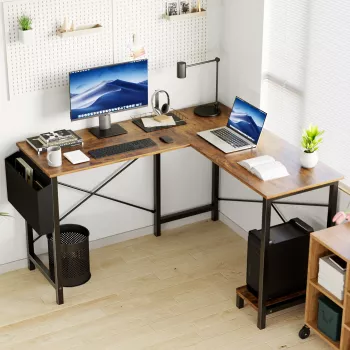
Pairing an organized tool carry with a clean work surface can help even more. If you’re upgrading your setup, consider a dedicated workstation like the L-Shaped 50-Inch Gaming Desk with CPU Storage & Side Bag for Home Office for tool manuals, small organizers, and project planning.
Care and Safety Basics
For households where projects happen while kids are around, keeping tools contained and off the floor also supports a tidier, safer environment. When it’s time for a break, a simple hands-on activity like the Wooden Montessori Balance Toys set can help keep little hands busy away from the work zone.
Product Snapshot
- Product: Multifunctional Waist Tool Bag with Reinforced Structure and Comfortable Grip
- Best for: quick access to everyday hand tools and small parts during DIY and light work tasks
- Key highlights: reinforced structure for shape retention; comfortable grip for easy handling; multi-pocket organization
- Availability: in stock
FAQ
What tools fit best in a waist tool bag like this?
Frequently used hand tools like a tape measure, screwdrivers, pliers, a utility knife, and a marker/pencil tend to fit best, along with small hardware such as screws or anchors. The pocket layout is usually designed for quick access and lighter carry compared to hauling a full toolbox.
How do you keep a waist tool bag from feeling unbalanced?
Distribute heavier tools across multiple pockets, keeping the heaviest items closest to your body to reduce swing. Minimizing duplicates and tightening the belt or attachment point also helps the bag stay stable as you move.
Does reinforced structure make a difference when re-holstering tools?
Yes—reinforcement helps pockets stay open and maintain their shape, which can make one-handed tool re-insertion much easier. That means less time fighting collapsed pockets and more consistent, safer tool handling.









Leave a comment