2-Speed Stainless Blade Meat Grinder for Baby Food Prep
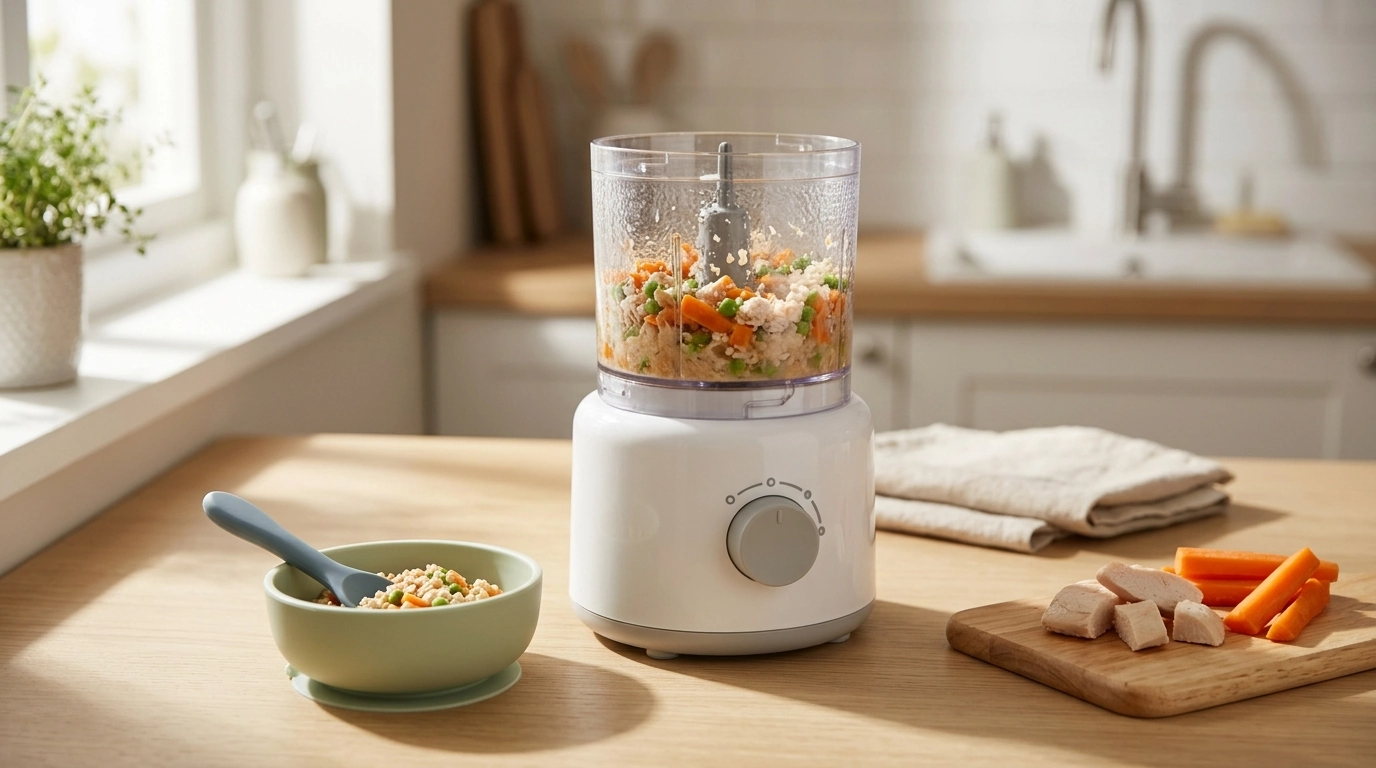
Electric Meat Grinder with Stainless Steel Blades & 2 Speeds for Baby Food
Smooth purees, soft mashes, and finely ground proteins are easier to prepare when a compact grinder offers consistent cutting, controllable speed, and easy cleanup. For parents building a simple at-home routine, the best results usually come down to a few practical factors: how well the blades hold up over time, whether the machine can handle different textures without turning everything into a paste, and how quickly it can be cleaned between small batches. Below is a clear guide to what matters for baby-friendly textures, safe handling, and daily-use practicality—plus a quick look at a two-speed, stainless-blade option for home prep.
What Makes a Grinder Baby-Food Friendly
Baby meals are often prepared in smaller quantities and across changing texture stages, so “baby-food friendly” tends to mean flexible, predictable, and easy to use even when time is tight.
- Two speed settings help match texture: A gentler setting can process soft cooked foods without overworking them, while a higher setting helps break down firmer proteins into a finer mince.
- Stainless steel blades resist corrosion: Stainless blades typically hold their edge longer than softer metals, supporting consistent results over weeks of repeated use.
- Compact footprint supports small-batch cooking: When you’re making just a few portions at a time, a smaller unit is easier to store, set up, and use regularly.
- Stable base and simple controls reduce mess: Straightforward controls help you repeat the same steps each time, with fewer spills and less guesswork.
How to Use Two Speeds for Different Textures
Two speeds aren’t just about power—they’re about control. The goal is to match the speed to the softness of the food and the texture stage your baby is practicing.
- Speed 1 (lower): Best for already-soft foods such as cooked chicken, turkey, fish, beans, steamed vegetables, and ripe fruits. Start here when you want a mashable base before thinning.
- Speed 2 (higher): Helpful for firmer pieces and for producing a finer mince as your baby transitions toward thicker, more textured meals. Use short pulses to avoid over-processing.
- Work in small batches: Smaller loads grind more evenly. Pause once or twice to scrape down the sides if needed to keep texture uniform.
- Adjust consistency after grinding: For younger babies, thin with breastmilk, formula, or warm water until spoonable. For older babies, keep more texture for skill-building (as age-appropriate).
If you’re following pediatric guidance on introducing solids and texture progression, resources like the American Academy of Pediatrics can help you align textures with developmental readiness.
Ingredient Prep and Food Safety Basics
Consistency matters, but food safety matters more—especially when you’re prepping proteins and storing portions for later meals. Keep a simple workflow that prevents cross-contamination and reduces time spent at unsafe temperatures.
- Cook meats thoroughly before grinding: For baby meals, cook first, then grind. Let food cool slightly so steam doesn’t add extra moisture and throw off texture.
- Cut food into small, consistent pieces: Uniform chunks feed through more evenly and reduce strain on the motor, helping avoid uneven bits.
- Store portions safely: Refrigerate promptly and use within recommended time windows. Freezing in small portions can make weekday meals faster and reduce waste.
- Clean removable parts right after use: Residue dries quickly and can be harder to remove later, increasing cleanup time and potential bacteria risk.
For clear storage timing and leftover safety basics, see the USDA Food Safety and Inspection Service. General feeding and nutrition guidance is also available from the CDC.
Stainless Steel Blades: Why They Matter for Everyday Use
Blades do the real work. When a grinder is used frequently for small batches, blade material and build affect both performance and cleanup.
Quick Specs and At-a-Glance Comparison
| Feature | Why it helps | What to look for |
|---|---|---|
| Two speed settings | Adjusts texture for different stages | Low for soft foods; high for finer mince |
| Stainless steel blades | Durability and easier cleaning | Corrosion resistance; sturdy blade build |
| Small-batch workflow | Reduces waste and keeps food fresher | Easy assembly; quick rinse parts |
| Simple controls | Faster daily use | Clear speed switch; stable base |
Product Highlight: Electric Meat Grinder with Stainless Steel Blades & 2 Speeds
If the goal is straightforward home prep with flexible texture control, the Electric Meat Grinder with Stainless Steel Blades & 2 Speeds for Baby Food focuses on two practical essentials: stainless steel blades and a two-speed design. That combination supports both gentler processing for soft cooked foods and a higher-speed option when you want a finer mince.
For a simple non-mealtime add-on that supports play and balance practice, the Wooden Montessori Balance Toys set is another easy-to-store option often appreciated in family spaces where kitchen and play areas overlap.
Cleaning, Storage, and Daily Routine Tips
FAQ
Is it safe to grind meat for baby food at home?
Yes, when meat is cooked to safe internal temperatures before grinding and the grinder is cleaned promptly. Prevent cross-contamination by keeping raw ingredients separate and refrigerate or freeze portions quickly after prep.
Which speed should be used for baby-food textures?
Use the lower speed for already-soft, fully cooked foods when you want gentle processing, and use the higher speed (often in short pulses) for firmer pieces or a finer mince. Adjust the final texture by thinning with an appropriate liquid as needed.
How can a smoother puree be made after grinding?
Grind in smaller batches and add small amounts of breastmilk, formula, water, or age-appropriate broth to reach a smoother, spoonable consistency. If an ultra-smooth texture is needed, a quick finish in a blender can help.












Leave a comment