1000V Insulated Wire Stripping Pliers: Safer Cuts
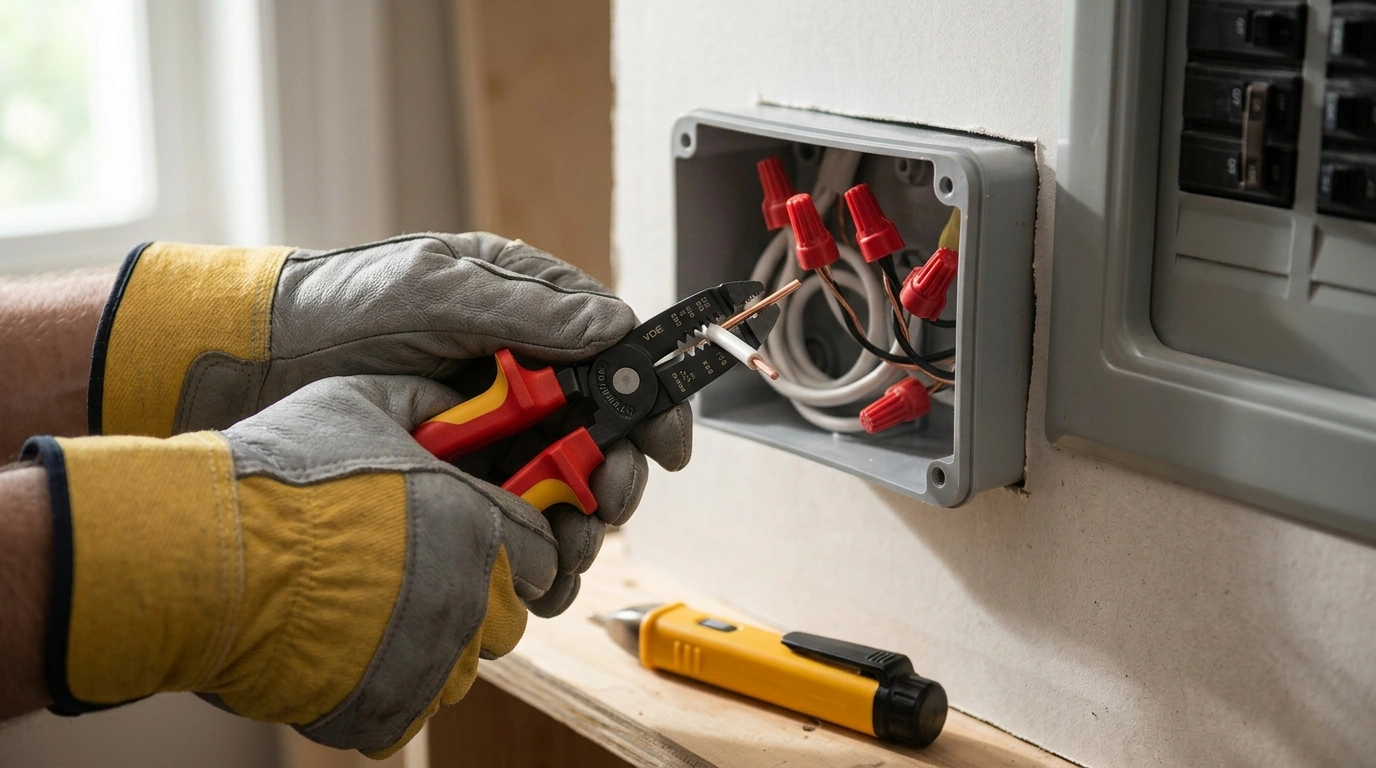
Insulated Wire Stripping Pliers, 1000V Voltage Resistant: Safer Stripping and Cutting for Electrical Work
Insulated wire stripping pliers are designed to remove insulation cleanly while adding an extra layer of protection when working around electrical conductors. For many everyday electrical tasks—installing outlets, swapping light fixtures, building control panels, or tidying up a junction box—clean stripping and square cuts help connections seat correctly and stay reliable. This guide explains what “1000V voltage resistant” means in real-world use, what features matter for routine jobs, and how to use and maintain insulated pliers to reduce risk and get better results.
What Insulated Wire Stripping Pliers Are Used For
Wire stripping pliers combine multiple hand-tool tasks into one tool, which is especially helpful when space is limited and accuracy matters. Common uses include:
- Stripping insulation from common copper conductors for outlets, switches, lighting, appliances, and control wiring
- Cutting wire to length and trimming ends for terminations
- Holding and manipulating conductors in tight boxes where finger clearance is limited
- Supporting common tasks in residential, automotive (low-voltage), and hobby electronics work (with appropriate tool sizing)
- Reducing hand fatigue compared with improvised methods like knives or non-stripping cutters
Compared with improvised stripping methods, properly sized stripper openings help remove insulation without shaving copper or breaking strands—small defects that can turn into hot spots or weak connections over time.
Understanding “1000V Voltage Resistant” and Insulation Standards
Insulated hand tools are intended to reduce the chance of current passing through the user if contact occurs with an energized conductor. That said, insulated tools do not make live work “safe” by default. The goal is risk reduction, not risk elimination.
When shopping, look for clear markings aligned with recognized insulated-tool standards (commonly IEC 60900 for 1000V AC / 1500V DC rated insulated tools). A proper insulated tool should have insulation integrated into the handle (and the shank where applicable), with no cracks, cuts, or gaps that expose metal near grip zones.
Safe work practices still apply: verify de-energized circuits when possible, apply lockout/tagout where required, and test before touch. Treat the voltage rating as part of a system that includes PPE, procedures, and tool condition. For background on workplace electrical safety practices, refer to OSHA lockout/tagout guidance and NFPA 70E overview.
Insulated tool rating and what to check before use
| Check | What to look for | Why it matters |
|---|---|---|
| Voltage/rating marks | 1000V rating and applicable standard marking (e.g., IEC 60900) on the tool | Confirms the tool is designed for insulated use to a recognized specification |
| Handle condition | No splits, cuts, gouges, or melted spots | Damage can compromise insulation and increase shock risk |
| Cleanliness | No oil/grease on handles; dry surface | Contaminants can reduce grip and may affect insulation performance |
| Jaw alignment | Cutting edges meet evenly; stripper openings are not chipped | Prevents slipping, nicked conductors, and uneven stripping |
| Storage/transport | Stored in a dry tool bag or case; not tossed loose with sharp metal tools | Helps protect insulation from punctures and abrasion |
For more detail on the standard itself, see IEC 60900 standard information.
Key Features to Look for in Insulated Wire Stripping Pliers
How to Use Insulated Wire Stripping Pliers for Clean, Reliable Strips
Safety Practices When Working Around Electrical Circuits
Care, Storage, and When to Replace Insulated Pliers
Product Spotlight: Insulated Wire Stripping Pliers, 1000V Voltage Resistant
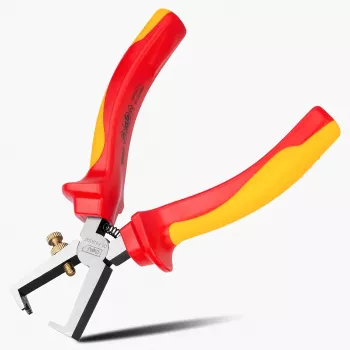
If you want a dedicated stripper/cutter instead of relying on improvised blades, Insulated Wire Stripping Pliers, 1000V Voltage Resistant are designed for wire stripping and cutting with insulated handles intended to support safer electrical work practices. They’re a budget-friendly addition to a DIY electrical kit or a backup pair for a glovebox or tool bag, and they’re best used alongside proper testing, lockout/tagout (when applicable), and other safety equipment.
Quick purchase details
| Item | Details |
|---|---|
| Name | Insulated Wire Stripping Pliers, 1000V Voltage Resistant |
| Price | 8.67 USD |
| Availability | In stock |
| Product page | View product |
Related pick for a more organized workspace
For a cleaner setup when doing light electrical projects at home—labeling conductors, laying out parts, or setting up a small test area—an organized surface helps prevent lost screws and rushed work. The L-Shaped 50-Inch Gaming Desk with CPU Storage & Side Bag for Home Office can double as a home office desk and a hobby/workstation where tools and small organizers stay within reach.
FAQ
Are 1000V insulated pliers safe to use on live wires?
A 1000V insulation rating helps reduce shock risk if accidental contact occurs, but it does not make working on energized circuits inherently safe. De-energize when possible, verify absence of voltage, and follow proper electrical safety procedures.
How do insulated wire stripping pliers prevent nicking the copper conductor?
They help by using correctly sized stripping holes that cut the insulation without cutting into the conductor. Selecting the right gauge opening, applying controlled pressure, and inspecting the stripped end (then re-stripping if needed) are key to avoiding nicks or broken strands.
When should insulated pliers be replaced?
Replace them if you see cuts, cracks, punctures, swelling, brittleness, loss of grip, or any exposed metal in insulated areas. Also retire insulated tools after heavy impacts (like a hard drop) or chemical/heat exposure that could degrade the insulation.









Leave a comment