600W LiFePO4 Portable Power Station for Camping & RV
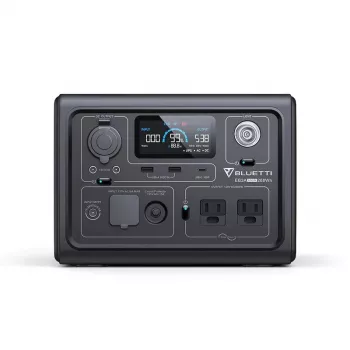
Reliable off-grid power makes trips simpler: keep phones and lights running, recharge camera gear, and cover small appliances without the noise and fumes of a gas generator. A 600W LiFePO4 portable power station sits in a sweet spot for campers and RV travelers who want clean, quiet electricity that’s easy to carry and easy to recharge.
What a 600W Portable Power Station Is Best For
A 600W inverter class is built for the daily comforts that make time outside smoother, without stepping into “run-the-whole-RV” territory. It’s ideal for charging personal electronics, powering efficient lighting, and keeping small gear running when you’re away from hookups.
- Covers everyday campsite essentials: LED lighting, phone/tablet charging, Bluetooth speakers, GPS devices, headlamps, and small fans.
- Useful in RVs for topping up devices and running low-to-mid wattage gear when shore power isn’t available.
- Great for outdoor adventures that need clean AC power for sensitive electronics (camera batteries, drones, laptops) without idling a vehicle.
- Handy as a short-outage backup at home: modem/router, small LED lamps, and device charging.
Why LiFePO4 Batteries Matter Outdoors
Not all lithium batteries are the same. LiFePO4 (lithium iron phosphate) is widely chosen for portable power because it’s designed for long service life and stable performance—especially important when a power station is used often, not just stored “for emergencies.” For a chemistry overview and general characteristics, see Battery University.
- Long cycle life: LiFePO4 chemistry is known for holding up well across many charge/discharge cycles compared with older lithium-ion types.
- Improved thermal stability: helpful when your gear sees varying conditions (always follow your unit’s specified operating range).
- Consistent performance: maintains usable voltage under load for common electronics and USB charging.
- Better fit for frequent travelers: durability matters when you’re camping every weekend and charging often.
Power Planning: Match Wattage, Capacity, and Runtime
Two specs do most of the real work: inverter output (watts) and battery capacity (watt-hours). A 600W power station can supply up to 600 watts of continuous AC load (some models allow higher short surge), but capacity determines how long it can keep your gear running.
- Output vs. stored energy: 600W is what the inverter can deliver; battery capacity (Wh) is “how much fuel is in the tank.”
- Watch surge needs: compressor coolers, some fridges, and some tools can spike at startup—confirm both your device label and the station’s surge rating.
- Quick runtime estimate: Runtime (hours) ≈ Battery Wh × 0.85 ÷ Device Watts (the 0.85 covers typical conversion losses).
- Use DC/USB when possible: USB-C/USB-A often wastes less energy than converting to AC and then using a wall brick.
Typical Loads and What to Check Before Plugging In
| Device type | Typical draw (W) | Notes to confirm |
|---|---|---|
| Phone/tablet charging | 5–30W | Use USB outputs; fast charging may need USB-C PD. |
| LED lantern/string lights | 3–20W | Prefer DC/USB lights to reduce inverter losses. |
| Laptop | 40–100W | USB-C PD can be more efficient than an AC brick. |
| Portable fan | 10–60W | Check speed setting draw; some fans spike at start. |
| CPAP (no heat) | 30–60W | Heated tubing/humidifier can raise draw significantly. |
| Small cooler (thermoelectric) | 40–80W | Runs continuously; plan for shorter runtime. |
| 12V compressor fridge | 30–90W average | Startup surge; best via 12V DC output if supported. |
Charging Options for Camping and RV Trips
How you recharge matters as much as how you use power. A simple strategy is to start full, top up during travel, and use daylight to rebuild your battery during multi-day stays.
- Wall charging: the easiest pre-trip plan—top off the night before departure.
- Vehicle charging: great while driving; confirm the vehicle port and fuse can support the draw and use the correct cable.
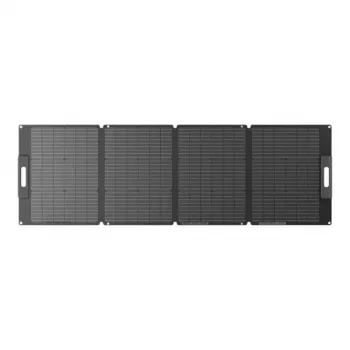
- Solar charging: excellent for longer camps; confirm input voltage range and connector type, and size panels for real-world conditions (shade, clouds, sun angle).
- Simple rhythm for long weekends: recharge during daylight, then run heavier loads earlier in the evening when the battery is fullest.
If you’re comparing appliance usage and efficiency at a practical level, the U.S. Department of Energy Energy Saver guide is a useful reference for understanding what typically consumes power and how to reduce it.
Setup and Use at the Campsite
Portable power stations are straightforward, but a few habits help performance and reliability—especially on warm days or when running near the inverter’s limit.
For general outdoor temperature safety (which also helps protect electronics), NOAA’s guidance is a solid reference: NOAA.
Safety, Care, and Storage
Shop Portable Power and Related Gear
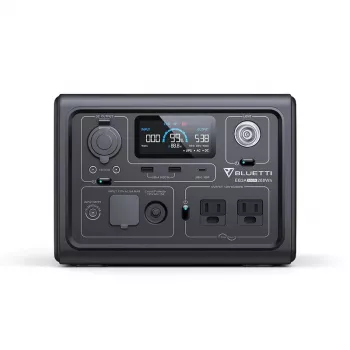
- 600W Portable Power Station with LiFePO4 Battery for Camping, RV, and Outdoor Adventures (portable, quiet power for camp lighting, electronics, and small appliances).
- L-Shaped 50-Inch Gaming Desk with CPU Storage & Side Bag for Home Office (a practical workstation option for home offices that may also benefit from backup power during short outages).
A Practical Pick for Everyday Off-Grid Power
FAQ
Can a 600W portable power station run an RV refrigerator?
It depends on the refrigerator type. Many 12V compressor fridges can work if you use the DC output and the startup surge stays within the station’s limits; a full-size residential AC fridge usually draws too much and cycles often, which reduces runtime quickly.
How long will it run my devices while camping?
Estimate using battery capacity (Wh) and device watts. Multiply the battery Wh by about 0.85 to account for typical conversion losses, then divide by your device’s wattage to get approximate hours; mixed use will vary based on how often each device runs.
Is LiFePO4 safe to keep in a tent or RV?
LiFePO4 is generally regarded as a more thermally stable lithium chemistry, but it still needs ventilation and dry placement. Keep vents unobstructed, avoid heat sources, and follow the manufacturer’s temperature and charging guidance.










Leave a comment