Elegant Upholstered Dining Chairs: Comfort & Fit Guide
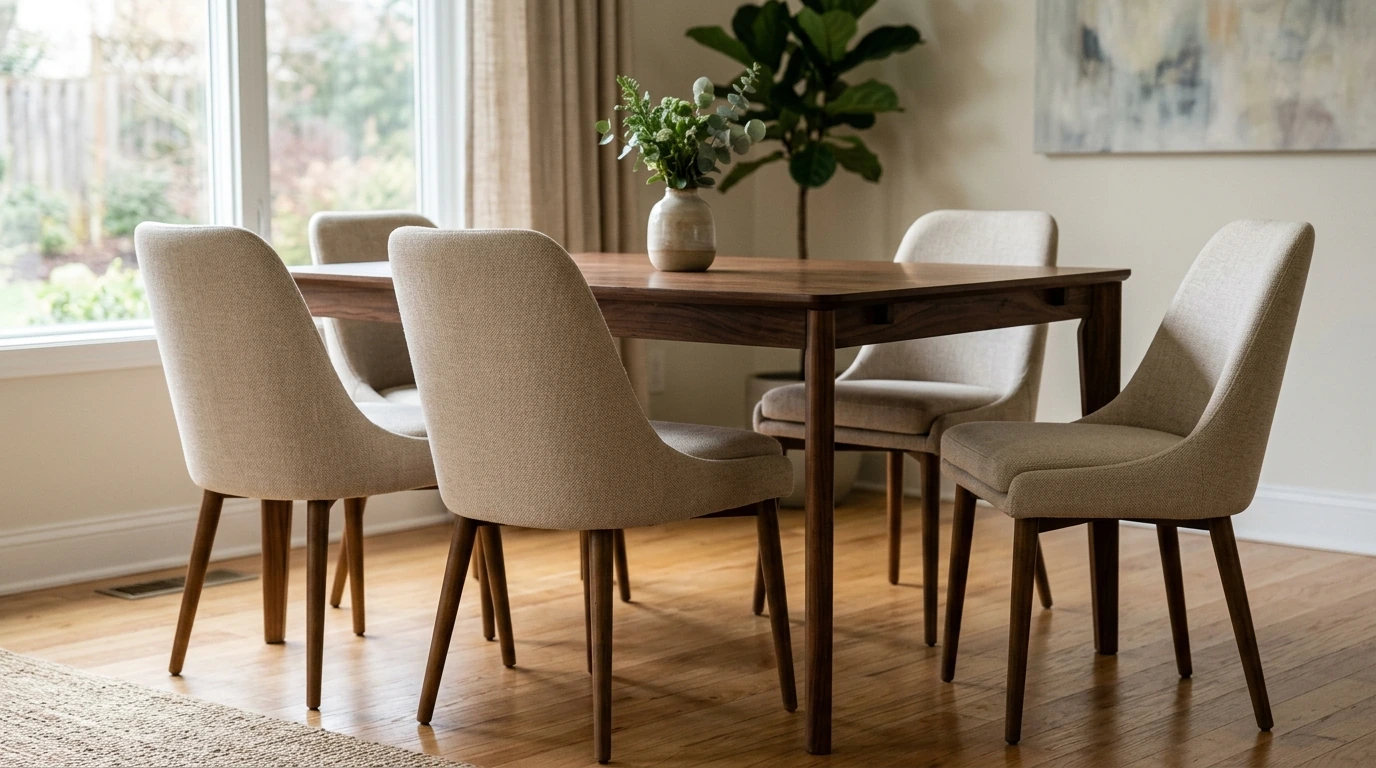
Elegant Upholstered Dining Chairs: Comfort, Style, and Everyday Durability
Elegant upholstered dining chairs add warmth and polish to a dining area while making long meals more comfortable. The right pair (or set) balances supportive cushioning, easy-clean fabrics, stable construction, and a silhouette that complements the table and room layout. If you’re refreshing a dining nook or upgrading a full-size dining room, focusing on comfort first—and then dialing in materials, sizing, and styling—helps your chairs look great and feel great day after day.
What Makes a Dining Chair Feel Truly Comfortable
Comfort is a blend of proportions and support. Even the most beautiful chair can feel “off” if the seat height, depth, or backrest doesn’t match the table and the people using it.
- Seat height that pairs well with most dining tables: Aim for about 10–12 inches of clearance between the seat and tabletop for comfortable leg room.
- Supportive seat construction: A firm, resilient foam core typically feels better over time than very soft fill that compresses quickly.
- Backrest shape and height: Gently curved backs support posture; taller backs can feel more formal and supportive for longer seating.
- Seat depth considerations: Deeper seats suit taller users; slightly shallower seats can be more comfortable for mixed-height households.
- Arm vs. armless: Armless chairs fit more seats around a table; armchairs add comfort but require more spacing and must clear the apron of the table.
Materials and Upholstery That Hold Up to Real Life
Dining chairs take daily wear: sliding across floors, occasional spills, and the constant friction of clothing. Durable upholstery and a well-built frame make the difference between “still looks new” and “already looks tired.”
- Performance fabrics: Tightly woven synthetics and blended textiles often resist staining and abrasion better for everyday dining.
- Leather and faux leather: Wipeable and low-fuss; consider heat sensitivity and potential scratching if pets jump on seats.
- Velvet or plush weaves: Luxurious look and soft feel; best where mess is minimal or where quick spot-cleaning is realistic.
- Frame materials: Solid wood and quality engineered wood can both be durable—joinery, corner blocks, and bracing matter most.
- Leg and base finishes: Scratch-resistant coatings are helpful if chairs move frequently across hard floors.
If you like to compare durability benchmarks, organizations such as BIFMA publish overviews of furniture safety and performance standards that many manufacturers reference when designing seating for real-world use.
Sizing and Spacing: A Simple Fit Check Before Buying
Before committing to a chair style, do a quick measurement pass. A chair that’s too wide or too tall can make the room feel cramped, while a chair that doesn’t tuck properly can disrupt flow around the table.
- Measure table height and apron clearance: Confirm the chair can tuck in without hitting supports.
- Allow enough elbow room: Roughly 24 inches of table edge per chair is a common planning target.
- Plan for movement: Leave walking clearance behind chairs so guests can pull out and sit comfortably.
- Consider visual scale: Slim legs and lower-profile backs keep small rooms airy; larger cushioned silhouettes suit spacious dining rooms.
- If mixing chairs: Keep seat heights similar so the set feels cohesive and comfortable.
Quick Planning Guide for Dining Chair Fit
| Item to Check | Practical Target | Why It Matters |
|---|---|---|
| Seat-to-table clearance | About 10–12 inches | Comfortable leg room and easier getting in/out |
| Space per chair at table edge | About 24 inches | Prevents crowding and bumping elbows |
| Clearance behind pulled-out chair | At least ~36 inches if possible | Allows guests to sit and pass through comfortably |
| Armchair fit | Arms clear table apron | Ensures chairs can tuck in and don’t collide with table supports |
For households where accessibility and clear passageways are a priority, clearance references in the 2010 ADA Standards for Accessible Design can be a helpful way to sanity-check walkways and turning space.
Design Details That Create an Elegant Look
Elegance isn’t only about fabric—it’s about proportion, tailoring, and how the chair relates to the table’s lines and finishes.
Care and Maintenance for Upholstered Dining Chairs
For general home product safety guidance (including stability and safe use habits), the U.S. Consumer Product Safety Commission (CPSC) is a reliable resource.
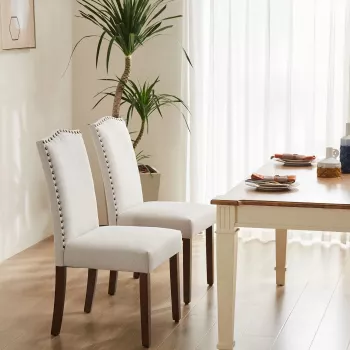
Featured Pick: Elegant Upholstered Dining Chairs
If you’re aiming for a polished dining setup that still feels inviting, Elegant Upholstered Dining Chairs are a strong starting point. The cushioned seat and supportive profile suit everyday meals as well as longer gatherings where comfort really matters.
At-a-Glance Details
| Item | Detail |
|---|---|
| Product | Elegant Upholstered Dining Chairs |
| Price | $117.01 |
| Availability | In stock |
| Product page | View product |
Finishing Touches: Styling Ideas Around Upholstered Dining Chairs
If you’re also refining a nearby workspace or open-concept dining/office area, a clean-lined desk can complement upholstered seating visually. Consider the L-Shaped 50-Inch Gaming Desk with CPU Storage & Side Bag for Home Office to keep the room feeling cohesive while maintaining practical storage.
FAQ
What seat height works best for most dining tables?
Most dining tables are around 28–30 inches tall, and many people find a chair seat height around 17–19 inches comfortable. That typically leaves about 10–12 inches of clearance to the tabletop for natural leg room.
Are upholstered dining chairs hard to keep clean?
They’re usually manageable with regular vacuuming and quick spill response. Choosing tightly woven or wipeable upholstery—and following the care label—helps reduce the chances of permanent stains.
How many dining chairs fit around a standard table?
A common guideline is about 24 inches of table edge per chair, then adjust based on chair width and whether chairs have arms. Table leg placement or a pedestal base can also affect how comfortably chairs fit.










Leave a comment