Calming Bed for Small Dogs & Kittens: Cozy Sleep
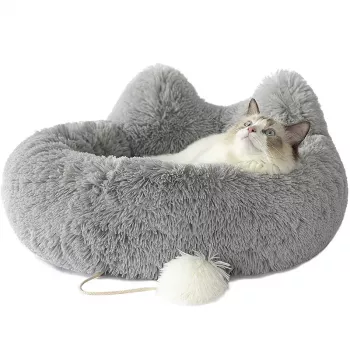
Calming Bed for Small Dogs & Kittens: Cozy Support for Rest and Relaxation
A calming bed can help small pets settle faster, stay warmer, and feel more secure—especially during naps, nighttime sleep, crate time, and stressful moments like thunderstorms or new environments. The right shape, fill, and surface texture matter as much as size, so choosing a bed that matches your pet’s sleep style and comfort needs can make daily rest noticeably easier.
Why calming beds help small pets feel secure
Small dogs and kittens often look for sleep spaces that feel protected rather than wide open. A well-designed calming bed can act like a consistent “home base” that supports relaxation and reduces the urge to wander from spot to spot.
- Raised edges create a nest-like boundary that supports the head and neck while offering a “surrounded” feeling many pets seek out.
- Plush, soft surfaces may encourage pets to curl up, which can reduce exposure to drafts and help conserve body heat.
- A dedicated sleep spot can reduce pacing and “spot-hunting,” supporting more consistent rest routines.
- Predictability helps: for newly adopted pets or young animals, a consistent bed location can become a reliable comfort cue.
- Part of a bigger plan: calming beds can be helpful alongside training, enrichment, and veterinary guidance for pets with ongoing anxiety. For general pet care and wellness guidance, visit the American Veterinary Medical Association (AVMA).
Signs a dog or kitten may benefit from a more soothing bed
Some pets clearly communicate that they want a cozier, more secure resting space. If a pet seems tired but can’t fully switch off, a comforting bed setup can make rest easier.
- Restless sleep: frequent repositioning, circling, or difficulty settling at night.
- Seeking tight spaces: hiding under furniture, burrowing into blankets, or pressing against walls.
- Startling awake: waking up easily from normal household noise.
- Preference for soft piles: choosing laundry baskets, couch corners, or throw blankets over standard beds.
- In kittens: sudden bursts of energy after failed naps (overtired behavior) or sleeping only in high, hidden areas. For home setup tips, see the American Association of Feline Practitioners (AAFP) Cat Friendly Home resources.
Choosing the right size and shape for small dogs and kittens
“Small pet” sizing can still vary a lot—from tiny toy breeds to lanky young cats. A good fit supports your pet’s natural posture without forcing them to perch on the edge or spill out when they stretch.
- Measure your pet in a typical sleep position: curled and stretched. Choose a bed inner area that fits the larger of the two positions.
- For curlers: round or donut shapes with bolsters often support curled posture and chin-resting behavior.
- For sprawlers: look for enough flat interior space so the pet can stretch without slipping off the edge.
- For multi-pet homes: decide whether the bed is for shared snuggling or if separate beds will prevent resource guarding.
- If placing in a crate: confirm the bed diameter/footprint leaves room for safe entry/exit and does not block the door.
Quick fit guide for small pets
| Pet type | Common sleep style | Bed shape that often works well | What to double-check |
|---|---|---|---|
| Toy/small dog | Curled with chin on edge | Round donut with raised rim | Inner diameter fits curled body; rim height supports head |
| Small dog | Half-curl, half-sprawl | Round with wider interior | Enough room to stretch without slipping |
| Kitten | Burrow/curl | Plush round nest | Soft surface; stable base to prevent sliding |
| Senior small dog | Frequent repositioning | Supportive plush bed with gentle bolster | Ease of stepping in; traction on the bottom |
Materials, fill, and comfort details that matter
Two beds can look similar online yet feel very different in daily use. These comfort details are often what separates a “used sometimes” bed from a true favorite.
- Surface texture: plush or faux-fur textures can feel inviting and encourage curling; smooth fabrics may be better for pets that overheat.
- Fill resilience: beds that rebound after pressure tend to keep shape longer and maintain supportive bolsters.
- Edge support: a defined rim can act like a pillow for pets that like to rest their head up.
- Base stability: a non-slip bottom helps prevent sliding on tile or hardwood, especially for small pets jumping in and out.
- Breathability: for warm rooms or thick-coated dogs, look for materials that don’t trap too much heat.
Keeping the bed clean and odor-controlled
Where to place a calming bed for best results
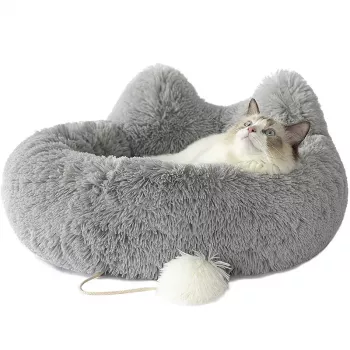
Featured option: Calming Bed for Small Dogs & Kittens
A simple add-on for calmer quiet time: Wooden Montessori Balance Toys set
Helping a pet actually use the new bed
If anxiety is frequent or intense, a bed is a comfort tool—not a cure. For dog anxiety signs and support options, the American Kennel Club (AKC) offers a helpful overview to discuss with your veterinarian.
FAQ
Can a calming bed reduce anxiety during thunderstorms or fireworks?
A cozy, enclosed bed can support relaxation by giving your pet a predictable “safe spot,” but it won’t replace training or veterinary care for significant anxiety. Pair it with a comfort routine like closed curtains, steady white noise, and staying calm and consistent.
What size calming bed should a kitten use?
Measure your kitten curled up and fully stretched, then choose a bed with an interior space that fits the larger position while leaving a little room to grow. A raised rim can be especially appealing for kittens that like to burrow or tuck in, and it’s worth re-checking fit as your kitten grows.
How often should a dog or kitten bed be washed?
A practical baseline is every 1–2 weeks, or sooner with heavy shedding, odors, or any accidents. Always dry the bed fully before returning it to your pet; more frequent washing may be needed for allergies or parasite concerns based on veterinary guidance.










Leave a comment